
Supplier Evaluation Checklist for Restaurant Furniture: Factory, CAD and Delivery
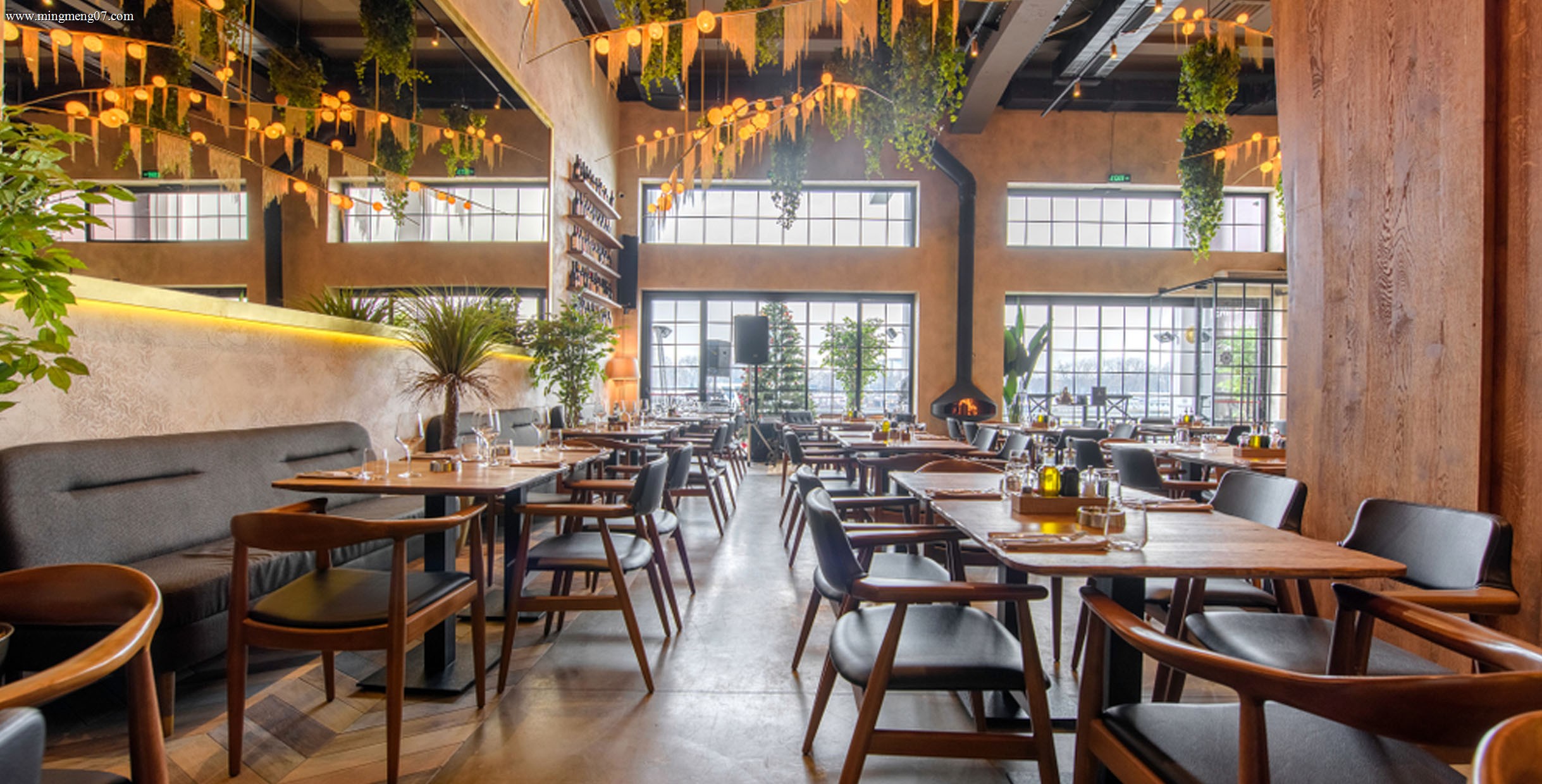
A restaurant furniture package is only as reliable as the supplier checks behind it: seating, tables and booths must match the floor plan, the drawings and the delivery schedule.
A restaurant furniture supplier should be evaluated on six verifiable gates: whether it is a factory or an intermediary, what its customization process actually covers, whether it provides CAD and design support, what MOQ and full-package scope it can hold, how it controls production lead time and quality, and how it handles packing, shipping terms and warranty. Each gate can be checked with documents, drawings, factory access and written commercial terms before a purchase order is placed.
This checklist is written for buyers in the research and evaluation stage: restaurant owners, hotel F&B teams, interior designers, contractors and procurement companies comparing restaurant furniture suppliers for a single site, a chain rollout or a mixed dining and bar project. It converts a vague question such as is this supplier reliable into specific requests the supplier must answer in writing.
Why supplier evaluation breaks down on restaurant projects
Restaurant furniture is not a single product. A typical project combines fixed elements such as restaurant booth seating, wall benches, banquettes and custom bar counters with loose elements such as restaurant chairs and tables, bar stools, restaurant sofa booth units, lounge seating and cafe table and chairs. The fixed items follow the architectural plan, while the loose items follow seating capacity and service flow. When these are bought from different suppliers, dimensions, finishes and lead times drift apart.
Three failure patterns appear repeatedly in project procurement:
- Quotation built from photographs. The buyer receives a price based on a reference image, but seat height, booth radius, tabletop thickness, base plate size and mounting configuration are never fixed, so the delivered item does not fit the space.
- Design approval treated as a formality. Drawings are exchanged but not signed, and bulk production starts on assumptions. Changes made later cause rework, extra cost and schedule slippage.
- Delivery treated as the freight forwarder's problem. Packing method, shipping term, damage responsibility, spare parts and warranty coverage are not defined, so the last stage of the project becomes the most expensive one.
The structural answer is to evaluate one accountable supplier per package, and to evaluate categories together rather than item by item. Project evidence supports this: in one restaurant fit-out, a combination of fixed long custom booth seating and movable restaurant chairs inside the same floor plan supported two-person, four-person and group table arrangements, while multi-zone planning covered reception, lounge waiting area, main dining room and the booth zone. In another venue, a coordinated package created clearly defined bar, dining and booth zones while maintaining one consistent interior identity.
Industry background: what a commercial buyer is actually purchasing
Commercial restaurant furniture is specified for high-frequency use, not occasional household use. In practice this means structures and surfaces are chosen for daily operation, regular cleaning and maintenance, and the ability to be repaired or partially replaced. MingMeng Furniture, legally Guangzhou Mingmeng Furniture Co., Ltd., is a commercial and hospitality furniture manufacturer established in 2015 in Guangzhou, China, supplying restaurant chairs, dining tables, booth seating, bar furniture, hospitality sofas and hotel furniture to project buyers in more than 100 countries. Its product scope illustrates the breadth a restaurant package now requires, from restaurant dining table sets and cafe furniture sets to custom bar counters and outdoor terrace furniture.
Material choice drives both durability and cost. Commercial-grade options in the market include solid wood, plywood and engineered panels, steel, stainless steel, aluminium, HPL and laminate, stone and stone-look tabletops, plus fabric, PU leather and genuine leather upholstery. Chairs and bar stools built for hospitality use are commonly tested to EN 16139 requirements, and flame-retardancy, stain resistance, water and weather resistance should be confirmed per project regulation and operating need rather than assumed.
Category-level market figures are a weak basis for a project budget. Commercial research publishers currently estimate the global restaurant furniture market anywhere from under USD 1 billion to above USD 6 billion, depending on definition, base year and methodology, so the numbers are not directly comparable. What a buyer can control is the specification: material grade, dimension tolerance, construction, finish complexity, quantity and delivery term are what actually set the price of a restaurant dining table set or a booth programme.
Export experience is also a practical evaluation criterion, because it determines how well a supplier handles packing, documentation and Incoterms. MingMeng exports about 90% of output, with main markets in the USA, Australia, Europe, the Middle East and Southeast Asia.
The six-gate supplier evaluation checklist
Gate 1: Factory status and who controls production
Ask directly whether the company manufactures or trades, then ask which processes are completed in-house and who owns quality control. MingMeng operates its own manufacturing facility of 15,000 square metres with more than 200 skilled workers, and production lines covering woodworking, metalworking, upholstery, cutting, welding, polishing, painting, powder coating, CNC processing, assembly and quality inspection. Monthly production capacity exceeds 80,000 pieces, with annual output above 960,000 units.
Verify rather than accept. Factory visits can be arranged by appointment, and remote video tours are available for overseas buyers who cannot travel. A genuine manufacturer can show raw material storage, cutting, welding, upholstery, finishing and packing stages in sequence. An intermediary will typically show a showroom, samples and finished goods only.
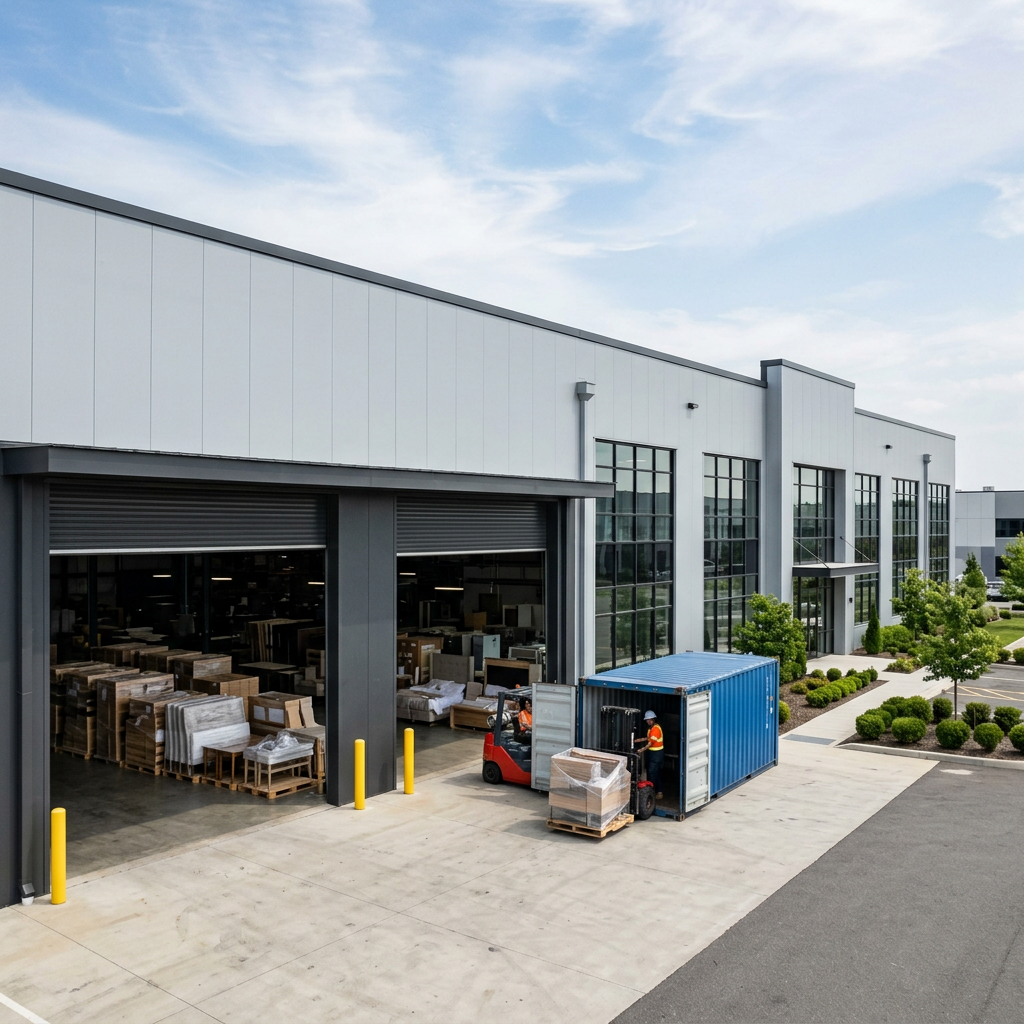
Factory verification is a physical check: production stages, in-house processes and QC ownership should be visible on site or in a live video tour.
Gate 2: Customization process, from dimensions to upholstery
Customization claims mean little without a defined scope. Ask which parameters are open, who prepares the specification, how revisions are handled and what triggers a cost change. MingMeng customizes dimensions, materials, upholstery and fabrics, colours and finishes, structure and load capacity, tabletop surfaces and base configuration, and complete project furniture combinations, working from architectural drawings, interior concepts, operational requirements and project budgets.
Category-level scope matters as much as the general promise:
- Restaurant booth and banquette seating: single, double, wall bench, L-shaped, U-shaped and curved configurations, with plywood or solid wood frames, high-density foam and fabric, PU leather or genuine leather upholstery.
- Restaurant dining tables and table bases: solid wood, veneer, HPL, laminate, marble, stone and metal tabletop options in round, square and rectangular shapes, paired with round, square, cross, disc, pedestal or double-pedestal bases at dining, counter or bar height.
- Restaurant chairs and commercial bar stools: solid wood, metal or plywood frames with high-density foam and upholstery options; stool seat height is set against the actual bar counter or table height.
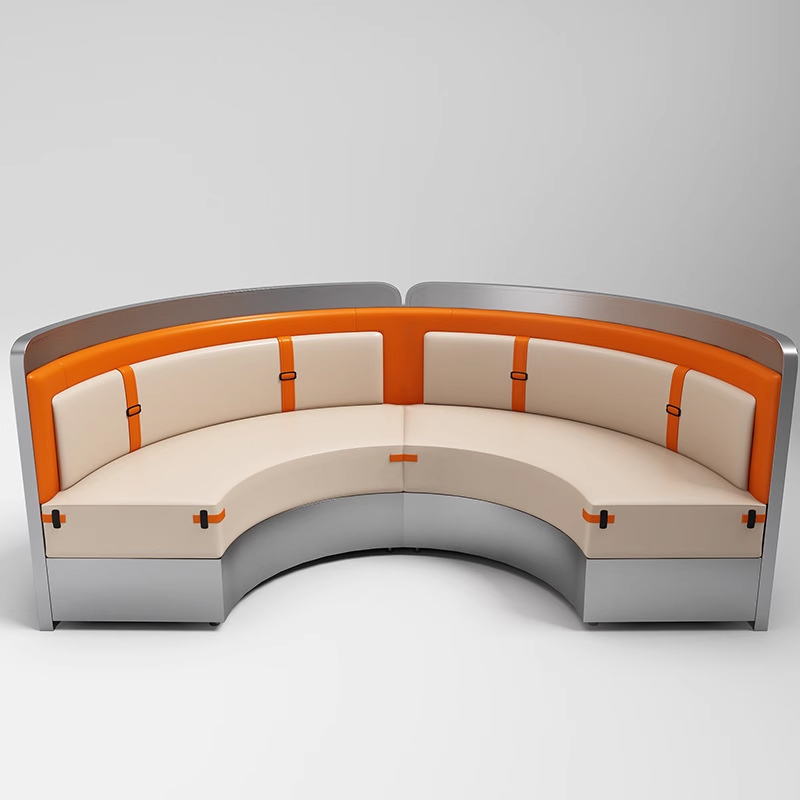
Curved and L-shaped booths are where customization stops being cosmetic: radius, seat depth and wall interface must be drawn, not estimated.
Gate 3: Design and CAD support
CAD capability separates a factory that can execute a design from one that can only repeat a catalogue model. Ask whether the supplier produces furniture drawings from your floor plan, whether it provides 3D visualization before sampling, and whether drawings include the details that fail on site: seat height, tabletop thickness and edge profile, base plate diameter, mounting plate hole spacing, booth radius and wall fixing points. MingMeng supports requirement analysis, space planning, furniture layout, CAD drawings, 3D visualization, structural optimization and seating capacity planning, with 10 engineers in its design and R&D team.
A useful test is to send one awkward condition from the project, such as a column, a curved wall or a fixed banquette run beside a service station, and see whether the response is a drawing with dimensions or a suggestion to choose a standard model.
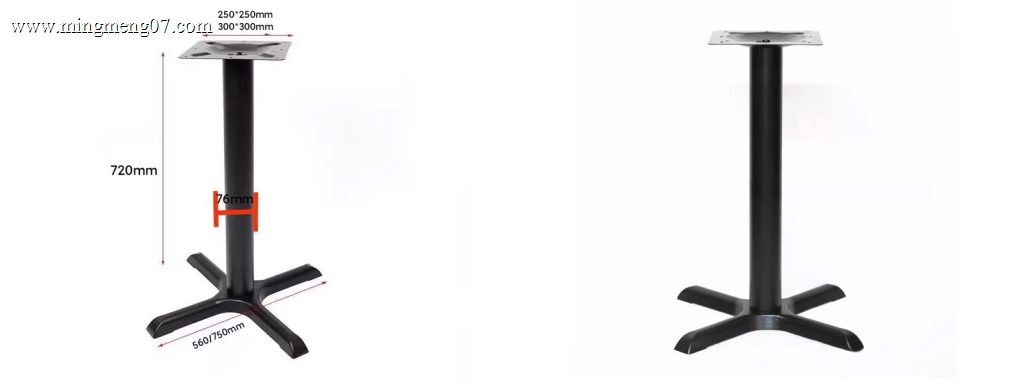
Dimensioned documentation, not a photo, is what confirms that a table base, tabletop and seating layout will actually fit.
Gate 4: MOQ, package scope and quotation structure
MOQ should be asked per category, because booths, chairs and tables are produced differently. MingMeng generally quotes custom models at 10 to 50 pieces per style, and its published MOQ for custom restaurant booths is 20 units. Buyers planning a small cafe furniture set should confirm MOQ before investing time in drawings; buyers planning a full restaurant furniture set should instead confirm package scope.
Package scope determines how many suppliers you will manage. MingMeng supplies restaurant chairs, dining tables, booth and banquette seating, bar stools and bar tables, custom bar counters, hospitality sofas, hotel guest room and lobby furniture, outdoor restaurant furniture, canteen furniture and table bases, and coordinates them as one package, including supporting decor sourcing and consolidated procurement. For a project with a bar, a dining room and a terrace, that consolidation removes the most common source of mismatch: three suppliers quoting three different finish references.
Quotation structure should be read as carefully as the price. Custom pricing is calculated from the confirmed specification, and the main cost drivers are material grade, dimensions and construction, quantity, finish and upholstery complexity, packaging, and the agreed delivery term. Quotations are usually issued EXW or FOB, with freight quoted separately or included depending on the Incoterm; payment structure, deposit and balance should be stated in the quotation or contract before order confirmation.
Gate 5: Production lead time and quality control
Ask for lead time by model type, not as a single number. MingMeng quotes standard models at 20 to 30 days and customized models at 35 to 50 days including sample approval. Any schedule depends on quantity, customization complexity, material availability, sample approval and factory capacity, so it should be confirmed in writing against the order plan. If the opening date is fixed, ask early whether an urgent schedule can be evaluated against materials and capacity.
Quality control should be described as a sequence, not an adjective. MingMeng's QC system covers material inspection, production-process inspection, structural and appearance checks, pre-shipment inspection and export packaging control, with sample inspection and random checks, and inspection can follow project-specific standards with pre-shipment checks, packing inspection and QC reports. For project orders, progress can be reported at agreed milestones with photos, videos or status updates.
Gate 6: Packing, shipping terms, warranty and after-sales
The final gate is where many otherwise competent suppliers lose the project. Ask how each category is packed, how the container is loaded, which Incoterm applies, who handles documentation and what happens if an item arrives damaged. MingMeng provides export packaging, container loading and international shipping coordination, and supports EXW, FOB, CIF, CFR and DDP, with freight arranged on request. DDP feasibility depends on destination, product, customs and tax handling, and the export port is selected according to routing, freight cost and project requirements.
Warranty should be defined per product and per contract rather than promised verbally. MingMeng sets warranty terms according to the product, project specification and commercial agreement, with the applicable period and coverage confirmed in the quotation or contract. Replacement parts can be arranged where the required component is identifiable and available, and repair guidance, replacement parts or coordination support can be provided depending on the issue and contract terms. Project orders can also include installation guidance, and on-site installation guidance with spare parts support is subject to contract.
Step-by-step: running the checklist from inquiry to shipment
- Send the project brief. Provide the floor plan or space dimensions, furniture types, estimated quantities, reference images or drawings, preferred materials and finishes, destination and target schedule. Drawings help but are not mandatory; photos and written requirements can also be used.
- Confirm design and specification. Review CAD layout, 3D visualization and the specification against the plan, including seat heights, booth dimensions, table heights and circulation clearances.
- Approve samples and references. Approve frame, foam, upholstery, colour and finish together so bulk production follows one clear reference.
- Confirm commercial terms in writing. Check quotation scope, Incoterm, payment structure, production schedule, packing and any project-specific compliance requirement.
- Release bulk production. Production starts after final written approval, with progress updates at agreed milestones.
- Close quality control before shipment. Complete in-process and pre-shipment inspection plus packing inspection, and close non-conformities before loading.
- Pack, load and ship. Confirm export packing, loading plan, shipping documents and shipping coordination, then agree the after-sales route for spare parts and repair guidance.
Applying the checklist by project scenario
The six gates do not carry equal weight in every project. The scenario should decide where to spend evaluation time.
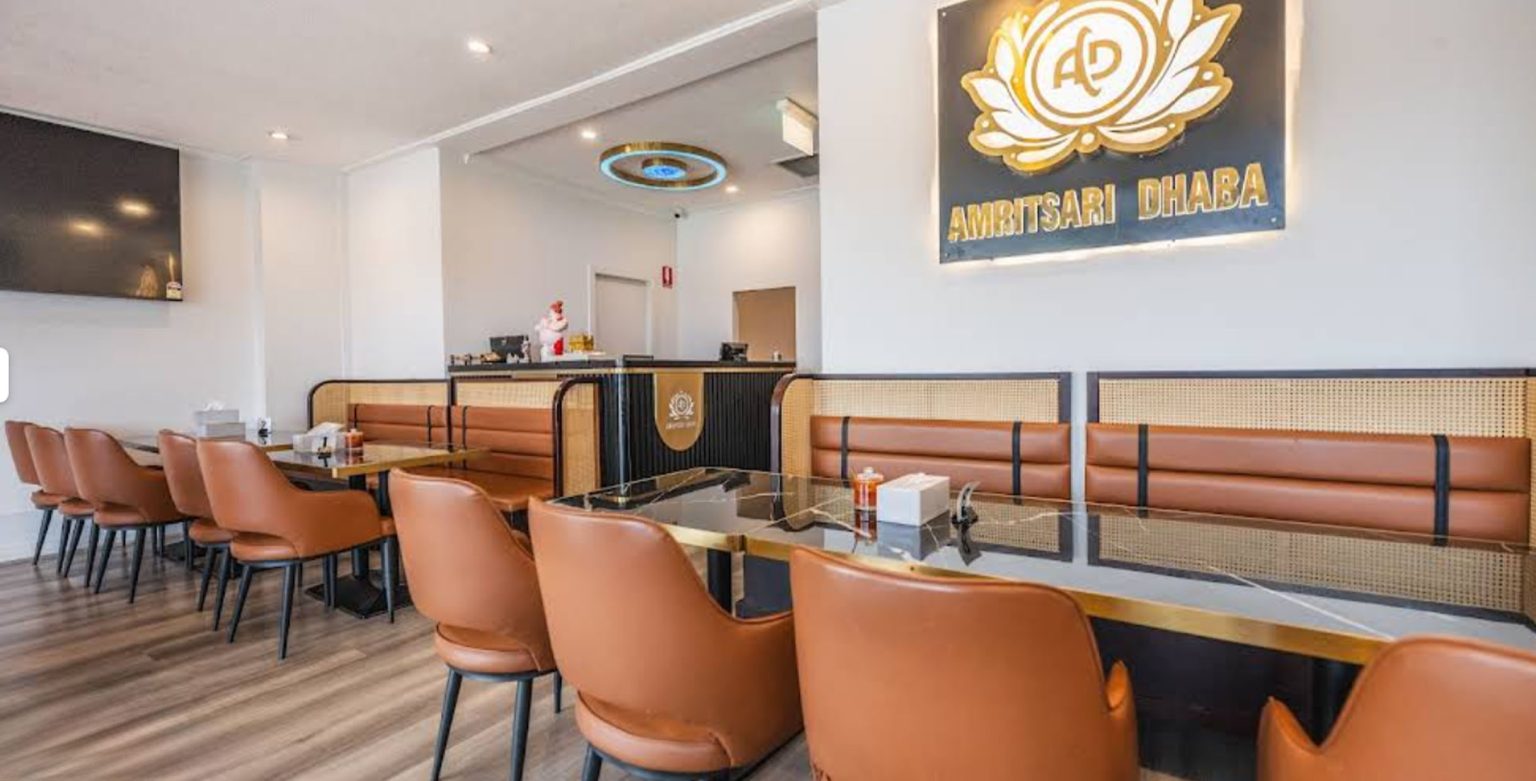
- Booth-led casual dining. A casual dining restaurant project delivered to an Indian restaurant operator in Australia combined dining chairs, dining tables and booth seating, with leather upholstery, sturdy wood chair frames and metal table legs. Booth radius, seat depth and table spacing are the critical checks here, because the fixed seating sets the whole layout.
- Multi-zone restaurants. A US Asian restaurant project covered reception, lounge waiting, main dining and a long booth seating zone, combining fixed long booth seating with movable chairs to support flexible table arrangements, and unifying the space with amber orange upholstery, warm wood, black finishes and brass-gold details. In this scenario, finish coordination across zones is the main evaluation criterion.
- Bar-led venues. A charcuterie lounge and event venue combined bar counter seating, central dining, wall-side booth seating and flexible event seating, with marble-look tabletops and defined bar, dining and booth zones. Stool seat height against the counter, and the ability to reconfigure for events, matter more than range breadth.
- High-traffic entertainment venues. A multi-functional venue required multiple seating heights, high-top social tables, communal tables, bar stools and booth seating in one open space. Structural durability, replacement-part availability and a fixed-plus-movable mix become the deciding factors.
- Hotel dining and canteen programmes. Hotel dining areas and staff canteens add fixed table-and-seat combinations, bench seating and easy-clean surfaces to the same furniture logic, with seating-capacity planning and aisle requirements driving dimensions.
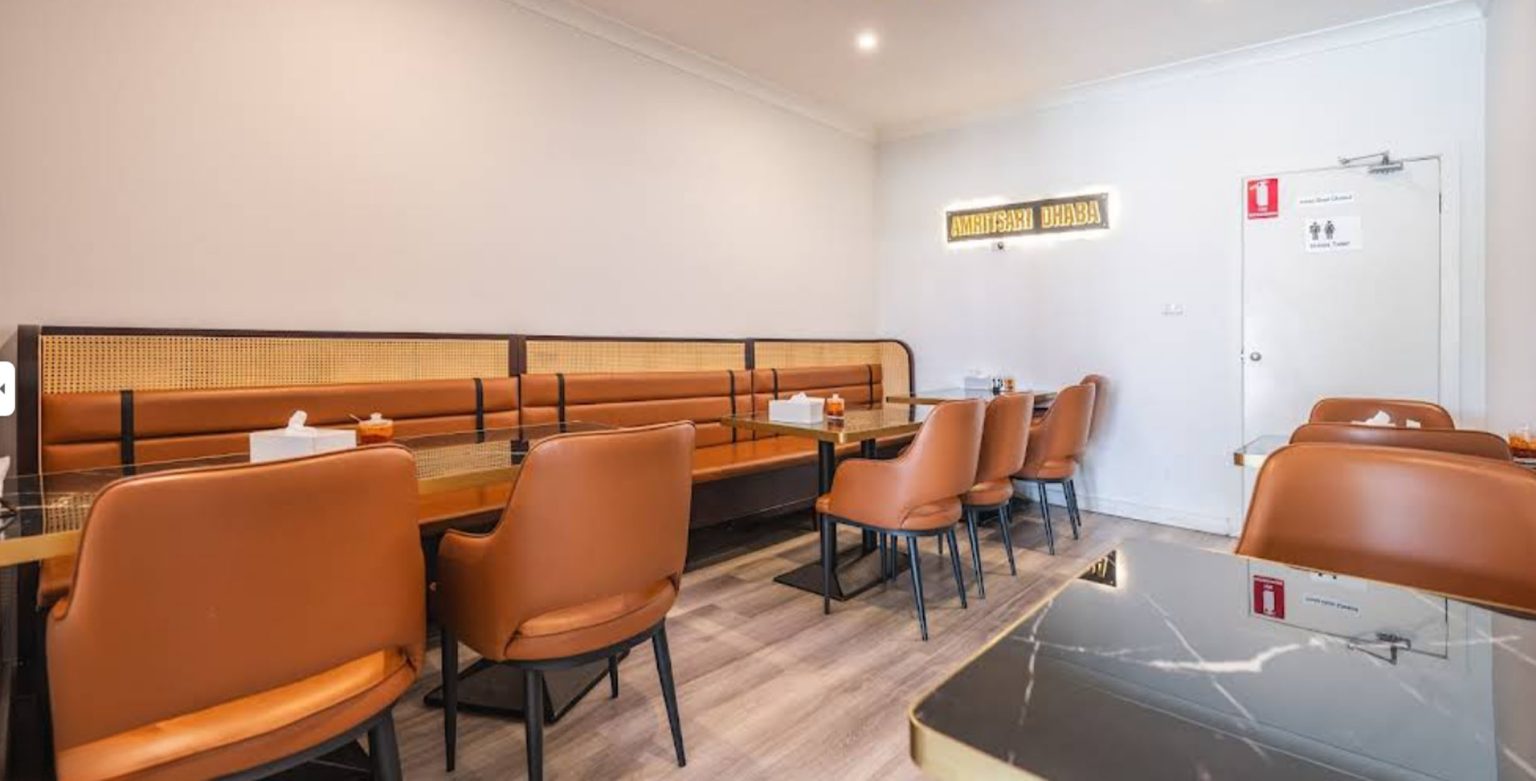
When booth benches, chairs and tables are produced to one drawing set, the room reads as a single design rather than a collection of purchases.
Supplier evaluation comparison: what to request and what satisfies the check
| Evaluation gate | What to ask the supplier | Evidence that satisfies the check | Reference point from this supplier |
|---|---|---|---|
| Factory status | Manufacturer or trading company? Which stages are in-house? Can we visit? | Factory visit by appointment or live video tour; production sequence visible | Own facility of 15,000 square metres, 200+ workers, in-house woodworking, metal, upholstery, finishing and inspection |
| Customization | Which dimensions, materials, upholstery, colours and structures are open? | Written specification with revision process and change control | Dimensions, materials, upholstery, colours, finishes, structure and load capacity customizable by project |
| CAD and design | Do you draw from our floor plan? What is included in the drawing set? | Dimensioned furniture drawings plus 3D visualization before sampling | CAD drawings, 3D visualization, space planning and seating capacity planning, 10 engineers |
| MOQ and scope | MOQ per category; can the whole package be coordinated? | Category MOQ in writing and a package list mapped to the plan | Custom models generally 10 to 50 pieces per style; published custom booth MOQ 20 units |
| Lead time | Standard versus custom schedule, and what drives change? | Model-specific lead time stated in the quotation | Standard models 20 to 30 days; customized models 35 to 50 days including sample approval |
| Quality control | What is inspected, at which stages, and what report do we receive? | Inspection sequence, QC report, pre-shipment and packing inspection | Material, in-process, structural and appearance checks, pre-shipment inspection, export packaging control |
| Packing and shipping | Packing method, loading plan, Incoterm, who arranges freight? | Named Incoterm in the quotation and a stated loading arrangement | Export packaging and container loading; EXW, FOB, CIF, CFR and DDP supported, freight arranged on request |
| Warranty and after-sales | Coverage period, what is covered, spare parts and repair route? | Warranty terms written into the quotation or contract | Warranty set per product, project specification and contract; spare parts where identifiable and available |
Reference points from a factory-direct supplier
For buyers who want a concrete benchmark to compare against, MingMeng Furniture combines manufacturing, customization and project delivery in one operation: one-stop service from requirement analysis, space planning, CAD drawings and 3D visualization through sample development, OEM and ODM production, quality inspection, consolidated procurement, export packaging, container loading, shipping coordination and after-sales support. Its product and quality certifications include CE, TÜV, RoHS and Certification of Conformity, and the company holds 10 or more national patented designs; commercial chairs and bar stools are tested according to EN 16139 requirements.
None of these points replace verification. They are reference values to test against other suppliers, and the checklist above is what converts them into a comparable decision. A supplier that cannot state MOQ by category, cannot produce dimensioned drawings, or will not put warranty and Incoterms in writing has failed the evaluation regardless of sample quality.
Frequently asked questions
Ask for the certificate copies that apply to the specific product family and destination market, not a general list. MingMeng lists CE, TÜV, RoHS and Certification of Conformity among its product and quality certifications, and commercial chairs and bar stools are tested according to EN 16139 requirements. Flame-retardancy, stain resistance and weather resistance should be confirmed per project regulation and operating need, because the required level differs by venue and market. Finally, check that the certificate identifies the product you are buying rather than a different range.
Request a factory visit by appointment, or a live video walk-through if you are overseas, and ask which production processes are completed in-house. MingMeng operates a 15,000 square metre facility in Guangzhou with more than 200 workers and in-house woodworking, metalworking, upholstery, cutting, welding, polishing, painting, powder coating, CNC processing, assembly and inspection, supported by 10 engineers for drawings and samples. A supplier that cannot show these stages in sequence, or that routes production to unnamed third parties, is an intermediary rather than a manufacturer.
Pricing is calculated from the confirmed specification, with material grade, dimensions and construction, quantity, finish and upholstery complexity, packaging and the agreed delivery term as the main cost drivers. Quotations are usually EXW or FOB, with freight quoted separately or included depending on the Incoterm. Custom models are generally quoted at 10 to 50 pieces per style, and the published MOQ for custom restaurant booths is 20 units; pricing can improve at larger quantities where production efficiency and material purchasing allow.
Yes. Sample development is part of the standard workflow, together with drawing review, 3D visualization and material and finish approval, and bulk production starts only after dimensions, materials, finishes and quantities are confirmed in writing. Approve frame, foam, upholstery, colour and finish together rather than in separate rounds, because changes made after approval can cause rework, extra cost and delay. The approved sample then becomes the reference for inspection during bulk production.
Standard models are quoted at 20 to 30 days and customized models at 35 to 50 days including sample approval, with the final schedule confirmed against quantity, material availability and factory capacity. EXW, FOB, CIF, CFR and DDP are supported, and freight can be arranged on request, with DDP feasibility depending on destination, customs and tax handling. Warranty terms are set per product, project specification and contract, and spare parts can be arranged where the component is identifiable and available. To test a live project against this checklist, send the floor plan and furniture list to eiko@mingmeng07.com or WhatsApp +86 158-1240-0982.
Conclusion
A restaurant furniture decision is a verification exercise before it is a design preference. Confirm factory status with a visit or live tour, confirm what customization actually covers, ask for dimensioned CAD drawings instead of catalogue images, agree MOQ and package scope per category, fix lead time and QC stages in writing, and settle packing, Incoterm, warranty and spare parts before the order is placed. Buyers who run these six gates usually discover the real risks early, while changes are still drawings rather than containers.
Start with the smallest useful package: one booth run, one restaurant dining table set and one chair model, plus the bar or terrace items that share the same finish. If those three items pass the checklist, the rest of the restaurant furniture set will follow the same production, inspection and delivery route.
Evaluate your project against the checklist
Send your floor plan, furniture list and target opening date, and MingMeng Furniture will respond with a specification review, CAD layout direction, category MOQ, production schedule and delivery terms.
Brochure download: MingMeng Restaurant Furniture 2026 catalogue (PDF)
Email: eiko@mingmeng07.com | Tel: +86 136-3245-6645 | WhatsApp: +86 158-1240-0982 | Website: www.mingmeng07.com
Guangzhou Mingmeng Furniture Co., Ltd., Room 1, 30 Mupi East Road, Tianhe District, Guangzhou, Guangdong, China. Established 2015.
Have Questions or Need More Details?
Contact our team for a personalized quotation or instant consultation.
Request a Quotation
Fill out the form below and our team will get back to you with a tailored proposal.
WhatsApp Direct Chat
Prefer to chat in real-time? Message us on WhatsApp for instant assistance & quick answers.
- Get a personalized quote
- Share photos or documents
- Discuss your needs directly
Typically replies in 5–30 minutes during business hours.