
Restaurant Furniture Compliance Guide: Verifying Certifications and Regional Requirements
Restaurant furniture compliance is verified item by item, not supplier by supplier. Each specified product in a hospitality package — booth seating, restaurant chairs, dining tables, bar stools, table bases, a custom bar counter or a lounge sofa — needs its own document trail, because a certificate issued for one chair model does not transfer to a banquette built from plywood, foam and fabric, or to a stone-top restaurant table assembled from parts produced in different workshops.
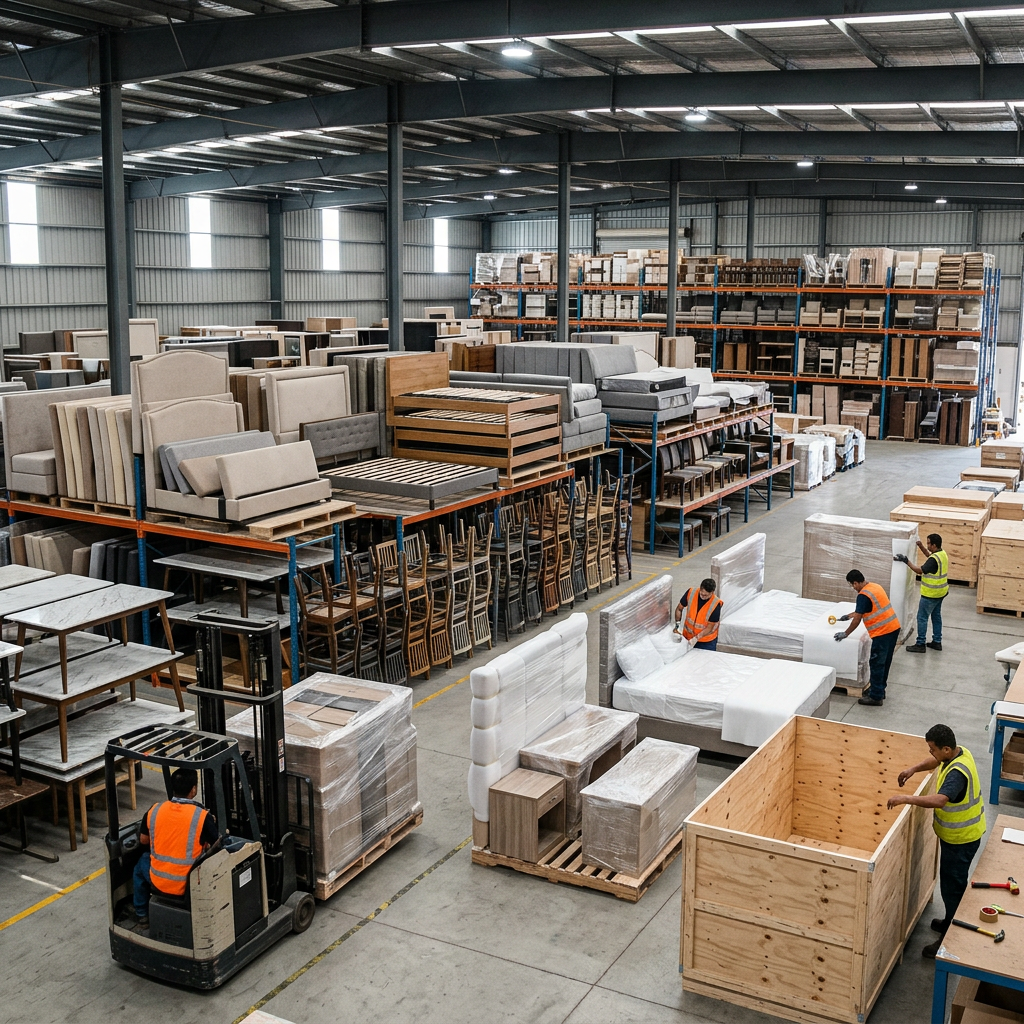
Problem Definition: Why Package Compliance Breaks at the Order Stage
A single-category purchase is easy to document. A package purchase is not. When one purchase order carries restaurant chairs and tables, a restaurant furniture booth configuration, bar stools, powder-coated table bases, a site-fitted custom bar counter and a restaurant sofa booth for the waiting area, the supplier is usually able to produce a document folder — but that folder is organised by supplier, while the risk is organised by item.
Four failure patterns recur in project purchasing:
- Supplier-level instead of product-level documents. A conformity document that names a chair model says nothing about the booth seating, the table bases or the bar counter on the same order.
- Custom items with no catalogue equivalent. Booth seating, banquettes and bar counters are produced to a floor plan and to project dimensions. There is no off-the-shelf certificate for a shape that did not exist before the project.
- Unquantified material claims. “Fire-retardant” or “outdoor-rated” without a stated level, a stated material and a stated scope cannot be checked by an importer, an inspector or a fire consultant.
- Assumed warranty and assumed acceptance criteria. Warranty terms for commercial restaurant and hospitality furniture depend on the product, the project specification and the commercial agreement; the applicable period and coverage should be confirmed in the quotation or contract for that specific order.
Every one of these is a documentation gap, not a manufacturing gap. That is why the fix belongs in the buying process, before the deposit.
Industry Background: What Certification Actually Attaches To
Commercial-grade furniture is furniture designed and manufactured for frequent use in commercial environments such as restaurants, hotels, cafés, bars, offices and other public spaces. Compared with typical residential furniture, it generally places greater emphasis on structural strength, durability, stability, maintainability and suitability for high-frequency use. That difference drives the documentation requirement: a product specified for daily high-turnover use is expected to be evidenced, not just described.
Three structural facts shape how buyers should read a compliance file:
1. Documents attach to a product, a material or a test method — never to a brand. A CE certificate, a Certification of Conformity, a TÜV document or a RoHS statement each describe a defined scope. The scope has to be read, because the same supplier may hold documents for some product families and not for others.
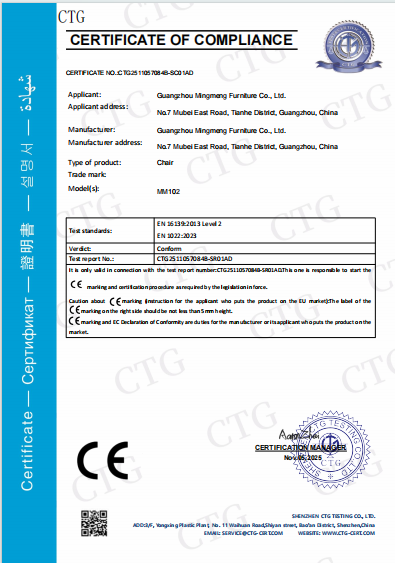
2. Seating performance is normally evidenced against a seating standard, not against a generic quality claim. Commercial restaurant chairs and bar stools supplied by MingMeng are tested according to EN 16139 requirements for commercial seating and are designed for high-frequency use in restaurants, hotels, cafés and hospitality projects. That reference is useful precisely because it is specific: it can be checked, dated and matched to the models on the order.
3. There is no single global requirement set. Destination-market requirements are set by the market and by the project’s specifier — not by the factory and not by a universal rule. A supplier that answers “our furniture is certified” without asking which market, which product and which level has answered a different question from the one the buyer asked.
Guangzhou Mingmeng Furniture Co., Ltd. (Mingmeng Furniture), established in 2015, is a commercial and hospitality furniture manufacturer operating a 15,000² facility in Guangzhou with more than 200 workers and export supply to markets including North America, Europe, Australia, the Middle East and Southeast Asia. The company states that its product and quality documentation includes CE, TÜV, RoHS and Certification of Conformity documents together with product safety compliance certifications, and that it has developed 10+ national patented designs. Those are supplier declarations and should be verified against the specific items ordered — which is the entire argument of this guide.
Detailed Solution: The Five Document Groups a Package Buyer Should Control
A workable compliance file for a multi-category restaurant furniture package has five groups. Ask for them separately; a single combined PDF makes gaps invisible.
Group 1 — Product conformity and test references
These documents answer: which model, tested or assessed against which reference, on what date? For seating, the relevant reference for commercial use is the seating standard the product was tested to; for MingMeng restaurant chairs and bar stools this is EN 16139. Ask for the document that names the model, not the family.
Group 2 — Material and finish declarations
These answer: what is the item actually made of? MingMeng works with solid wood, engineered wood, plywood, steel, aluminum, leather, PU leather, commercial-grade fabrics, marble, granite, quartz, laminate, veneer and melamine, with finishes in matte, gloss, textured, wood-grain and custom colors. Fire-retardant materials, outdoor-rated fabrics and weather-resistant materials are available for specific project requirements — which means the requirement has to be stated by the buyer, in writing, per item.
Group 3 — Drawings and dimensional records
These answer: what was approved? For customized items, dimensions and layouts can be adjusted before production; CAD drawings are provided for project review, approvals and coordination with the client’s design team, and 3D renderings let clients review appearance before production. For booth seating and custom bar counters this group is the primary compliance record, because the product is defined by the drawing.
Group 4 — Quality control and test records
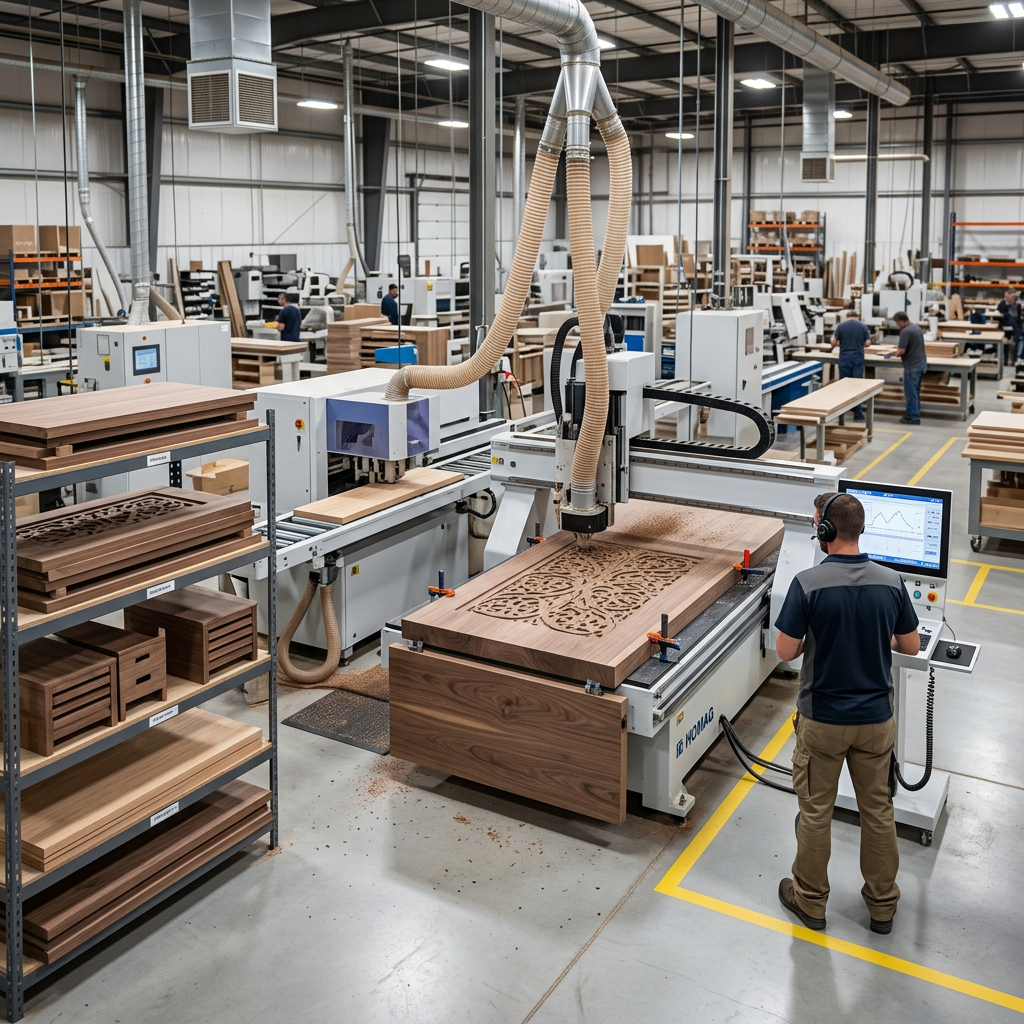
These answer: what was checked, and when? MingMeng’s quality control covers incoming materials, cutting, welding, finishing, assembly and final inspection; critical items are inspected before packing, followed by a final pre-shipment inspection. Common durability tests include static load, impact, stability, scratch resistance, abrasion resistance and fabric colorfastness.
Group 5 — Commercial and after-sales terms
These answer: what happens after arrival? Warranty coverage is defined by the agreed product specification and the contract, in which manufacturing defects and normal after-sales responsibilities are defined. Replacement parts can be arranged where the required component is identifiable and available, and repair guidance or coordination support can be provided depending on the issue and the contract terms. Packing terms also belong here: export-standard packing uses foam, edge protectors and cartons or wooden crates depending on the item, with package dimensions and quantities checked against the packing list before loading, and protection should not be reduced only to increase loading quantity.
Mapping Documents to Each Specified Item
The practical exercise is to print the purchase order and write the document reference beside every line. The table below shows what each item family should carry and where the material choice changes the evidence required.
| Item | Document to attach | Material and finish facts that drive it | Acceptance point |
|---|---|---|---|
| Restaurant furniture booth / banquette | Approved CAD drawing and 3D rendering; upholstery and foam specification; pre-shipment inspection record | Plywood or solid wood frame, metal frame option, high-density foam, fabric / PU leather / genuine leather | Frame construction, foam density, abrasion and colorfastness of upholstery |
| Restaurant chairs | Model-specific seating test reference (EN 16139 for commercial seating); frame and upholstery spec | Solid wood, metal or plywood frame; foam; fabric / PU leather / genuine leather | Model number matches certificate; static load, impact and stability results |
| Restaurant dining table set | Tabletop material declaration; base and mounting specification; drawing for custom sizes | Solid wood, veneer, HPL, laminate, marble or stone top; metal or wooden base | Top-to-base mounting compatibility; scratch resistance; edge detail |
| Bar stools | Seating test reference (EN 16139); seat height confirmation against counter height | Solid wood, metal or plywood frame; upholstery options; finish | Seat height versus bar counter height; footrest and joint integrity |
| Table bases | Base material and finish declaration; base plate and column dimensions relative to top size | Cast iron, steel, stainless steel or aluminum; powder-coated, brushed, polished or plated finish | Stability with the specified top; mounting plate configuration |
| Custom bar counter | Approved CAD drawings and 3D visualization; material schedule; site coordination notes | Plywood, MDF, solid wood, veneer, laminate, marble, sintered stone, quartz, stainless steel, metal, glass | Dimensional tolerance to floor plan; storage and shelf configuration as drawn |
| Lounge sofa / restaurant sofa booth | Frame structure and foam specification; upholstery wear and cleaning data; replaceable-component list | Solid wood, plywood or metal-reinforced frame; high-density foam; commercial fabric, PU or leather | Foam firmness consistency across units; cleaning method agreed with housekeeping |
Two observations follow from this map. First, the seating items — chairs and bar stools — are the ones with a clean external test reference, because commercial seating is commonly tested against a seating standard. Second, the items with the largest documentation burden are the custom ones: booth seating, table bases matched to specific tops, and bar counters. For these, the approved drawing plus the material schedule effectively is the specification, and the pre-shipment inspection is the evidence that the specification was met.
How Material and Finish Choices Change the Paperwork
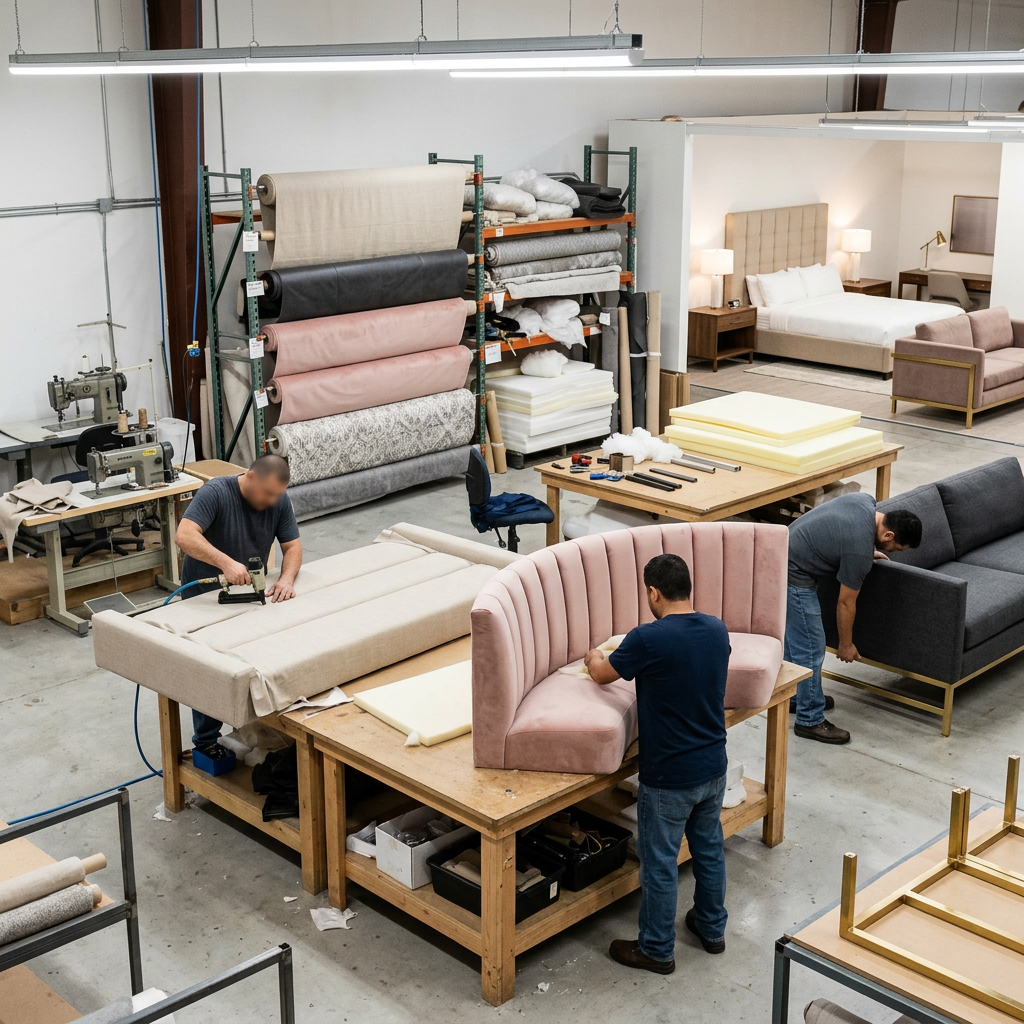
Material selection is not a design-only decision; each choice generates a document obligation. Evaluation criteria for restaurant furniture materials and finishes include furniture type, commercial usage, cleaning frequency, moisture and stain exposure, scratch visibility, weight, upholstery wear, brand palette, budget and destination-market requirements.
- Fire performance. Fire-retardant materials are available for specific project requirements, and flame-retardancy levels should be confirmed per project regulations and operational needs. That confirmation must name the component — foam, fabric, panel — otherwise the statement cannot be applied to the item.
- Outdoor and semi-outdoor items. Outdoor-rated fabrics, quick-dry foam, aluminum, stainless steel, teak, HPL and sintered stone are available for outdoor commercial environments; weather resistance and corrosion protection become part of the specification for terraces and rooftop areas.
- Upholstery wear. Upholstery should be selected according to abrasion resistance, stain resistance, cleaning frequency and comfort requirements. Abrasion and colorfastness are among the durability tests applied, which makes upholstery one of the few soft-material choices that can be evidenced rather than argued.
- Tabletop material. Tabletop material should be matched to maintenance requirements and structural support. A heavier stone or sintered stone top changes the base specification, so the table and the table base must be documented as one assembly.
- Finish consistency. Wood, metal and upholstery finish samples should be approved together to keep the project palette consistent — and the approved samples become the reference against which later replacement parts are matched.
Interpreting Regional Requirements Without Assuming One Universal Standard
Regional requirements are the part of compliance that buyers most often try to solve by asking the supplier. It is the wrong direction. The factory can state what a product is made of and which tests it has passed; only the destination market and the project’s specifier can say what is required there. Five questions, answered in writing before the order, close most of the gap:
- Which market is this specific item entering? Not the project country in general — the market for the physical goods. Multi-site operators shipping identical restaurant chairs and tables to two regions may need two document sets for the same product.
- Who sets the requirement? The importer, the operator’s own standard, the landlord’s fit-out condition or the project specifier may each add a condition that no factory can predict.
- Which component is regulated? Upholstery, foam, panel products and surface finishes are regulated separately from the assembled product. A statement about the finished chair does not automatically cover the foam inside the banquette.
- What documentary form is accepted? A declaration, a third-party test reference and a conformity certificate are different instruments; markets and specifiers do not treat them as interchangeable.
- What is the fallback if a document is unavailable? Decide in advance whether the item is substituted, the requirement is waived in writing, or the order proceeds with a recorded exception. Discovering this at the port is the expensive version.
Write the answers into the purchase order as an item-level note. This is the single highest-value habit in package procurement, because it converts a vague instruction to the factory (“make it compliant”) into a checkable line (“this banquette, this foam, this level, this document, this market”).
Step-by-Step: Verifying a Package Before the Deposit
The sequence below follows the standard custom restaurant furniture workflow — inquiry, design confirmation, sample approval, bulk production, quality control, packing and shipment — with a document checkpoint inserted at each stage.
- Issue an item-level inquiry. Send the floor plan or space dimensions, required furniture types, estimated quantities, preferred styles, materials, colors and finishes, plus any reference images or drawings. Add one line per item stating the destination market.
- Confirm dimensions against the real space. Before ordering, table heights, chair and bar-stool seat heights, booth dimensions, wall lengths and circulation clearances should be checked against the actual space. Dimensional error is the most common cause of a post-arrival dispute, and it is a documentation failure as much as a design one.
- Review drawings and 3D proposals. CAD drawings are provided for project review, approvals and coordination with the client’s design team; 3D renderings allow appearance review before production. Approve them in writing — these become the reference for booth seating, bar counters and any custom table.
- Approve material and finish samples together. Wood, metal and upholstery samples approved as one set prevent the mismatch that appears when each is approved separately. Record what was approved, not only that something was.
- Attach documents to the confirmed specification. Match product conformity references to seating models; material declarations to booth, sofa and tabletop specifications; and the warranty statement to the contract. Quotations are issued against project drawings and confirmed material selections, so the document set should be issued against the same baseline.
- Lock changes in writing. Bulk production should not start until drawings, dimensions, materials, finishes, quantities and approved samples are confirmed in writing. Late changes to drawings, dimensions, materials, finishes or quantities after written confirmation can cause rework, extra cost and delays.
- Close inspection before packing. Critical items are inspected before packing, followed by a final pre-shipment inspection, and package dimensions and quantities are checked against the packing list before loading. Ask for the inspection record per item family, not a single summary line.
Use Cases: Where the Document Map Changes the Decision
Multi-market chain rollout. A brand specifies one restaurant furniture set for sites in several regions. The chairs and bar stools carry seating test references, but the upholstered booth seating may need different declarations per market. The item-level map shows immediately that the booth — not the chair — is the item that fragments the order, which is where the schedule risk actually sits.
Hotel F&B with fixed banquettes. Booth dimensions are set by wall lengths in the architectural drawings, and the seating is fixed rather than loose. There is no catalogue product to point at, so approval of the CAD drawing and the foam and upholstery specification becomes the compliance event. Adding replaceable-component identification at this stage also makes later refurbishment cheaper.
Café with an outdoor terrace. The same cafe table and chairs specified for indoor use cannot simply be extended outdoors. Outdoor-rated fabrics, quick-dry foam, aluminum or stainless steel frames and suitable tabletops are available for outdoor commercial environments, and the weather-resistance requirement must be written per item — otherwise the terrace furniture inherits an indoor specification.
Comparison: What Each Document Type Actually Establishes
| Document | What it establishes | Scope limit to check |
|---|---|---|
| CE certificate | Conformity of a defined product with the applicable requirements | Which models and configurations are named |
| Certification of Conformity | Declared conformity of the described product scope | Whether custom items are inside the described scope |
| TÜV document | Assessment by a named third-party body | Which test and which sample it refers to |
| RoHS statement | Restricted-substance position for the referenced scope | Whether metal components and finishes are included |
| Seating test reference (EN 16139) | Commercial seating performance for the tested chair or bar stool | That it does not extend to booths, tables or sofas |
| Pre-shipment inspection record | That the specified configuration was checked before packing | Whether it covers all item families or selected critical items |
| Approved CAD drawing and 3D rendering | The agreed geometry, dimensions and configuration of a custom item | That the approved revision is the one released to production |
| Warranty statement in quotation or contract | The period and coverage applicable to that specific order | That it is order-specific, not a generic company commitment |
Read together, the tables produce a simple rule: the more custom the item, the more the drawing carries the compliance weight; the more standard the item, the more a test reference does. Buyers who apply the right instrument to the right item stop asking a factory to certify a whole restaurant package, which no factory can honestly do.
Frequently Asked Questions
Which compliance documents should be attached to each item in a restaurant furniture package?
Attach documents at item level, not supplier level. For restaurant chairs and bar stools, request the model-specific commercial seating test reference (MingMeng seating is tested according to EN 16139 requirements) together with the frame and upholstery specification. For booth seating, lounge sofas and custom bar counters, request the approved CAD drawing, 3D rendering and material schedule, because these items are defined by the drawing rather than by a catalogue specification. For all items, request material and finish declarations, the pre-shipment inspection record, and a warranty statement that applies to that specific order rather than a general company commitment.
How should a buyer handle regional requirements when the same furniture ships to different markets?
Do not assume one universal standard. Destination-market requirements are set by the market and by the project’s specifier, so confirm in writing for each item: which market the goods are entering, who sets the requirement, which component is actually regulated, what documentary form is accepted, and what the fallback is if a document is unavailable. Upholstery, foam, panel products and surface finishes are regulated separately from the assembled product, and flame-retardancy levels should be confirmed per project regulations and operational needs. Record the answers as item-level notes on the purchase order, so the instruction to the factory becomes checkable rather than general.
What should a buyer request from a factory-direct supplier to verify capability, not just claims?
Ask for the process evidence behind the product: quality control covering incoming materials, cutting, welding, finishing, assembly and final inspection; the durability tests applied, which commonly include static load, impact, stability, scratch resistance, abrasion resistance and fabric colorfastness; and confirmation that critical items are inspected before packing and followed by a final pre-shipment inspection. Ask for the material list actually used (solid wood, engineered wood, plywood, steel, aluminum, leather, PU leather, commercial-grade fabrics, marble, granite, quartz, laminate, veneer, melamine) and the finish options (matte, gloss, textured, wood-grain, custom colors). Where a project has defined performance requirements, select models supported by applicable test or QC evidence.
Chinese manufacturers versus local suppliers: what belongs in a total landed cost comparison?
A fair comparison prices the confirmed specification, not a headline unit price. Custom restaurant furniture is quoted from the confirmed specification rather than from a fixed catalogue list price, and the cost drivers are material grade, dimensions, construction, quantity, finish and upholstery complexity, packaging and the agreed delivery term. Include freight and the applicable Incoterm (EXW and FOB are common; CIF, CFR and DDP are also supported, with DDP feasibility confirmed case by case by destination, product and customs handling), payment terms (typically 30% deposit and 70% balance before shipment by T/T, with L/C at sight possible for larger orders from established customers), and the cost of documentation and inspection. Local supply shortens the replacement loop; factory-direct supply usually widens specification choice. The comparison should also include lifecycle cost, since durable commercial-grade structures reduce frequent replacement compared with residential-grade furniture.
What must be approved before bulk production, and how does that affect the schedule?
Drawings, dimensions, materials, finishes, quantities and approved samples should all be confirmed in writing before bulk production starts — late changes after written confirmation can cause rework, extra cost and delays. In practice this means approving the CAD drawing and 3D rendering for custom booth seating and bar counters, approving wood, metal and upholstery samples together as one palette, and agreeing the warranty statement and packing requirements at the same time. Minimum order quantity is confirmed per project, since standard models and custom project furniture may have different minimum quantities. To start, send the floor plan, furniture list and quantities, reference images, preferred materials and finishes, destination and target schedule; a sample or material approval round and a quotation against drawings can then be arranged through Mingmeng Furniture.
Conclusion: Compliance Is a Package Discipline
Restaurant furniture compliance fails quietly. Nothing goes wrong when the folder arrives; something goes wrong when the booth, the table bases and the bar counter turn out to sit outside the documents that were filed for the chairs. The correction is procedural, and it is available to any buyer at the decision stage: list the items, define the document for each, ask the factory for the item rather than the brand, and write the destination-market answers onto the purchase order before the deposit.
For a multi-category package, the division of labour is clear. Test references and conformity documents do the work for standard seating. Approved drawings, material schedules and inspection records do the work for booth seating, table bases and custom bar counters. Warranty terms and replaceable-component identification do the work after handover. A supplier that can answer item by item — with model numbers, material names, finish descriptions and inspection records — has demonstrated more than a supplier that answers with a certificate.
Next step: request the document set for your own item list
Send the floor plan, the item list with quantities and the destination market, and ask for the specification, quotation and corresponding document reference for each line — booth seating, restaurant chairs and tables, bar stools, table bases, the custom bar counter and the lounge sofas. Sample and material approvals can be arranged before bulk production.
Email: eiko@mingmeng07.com | Tel: +86 136-3245-6645 | WhatsApp: +86 158-1240-0982
Guangzhou Mingmeng Furniture Co., Ltd. — Room 1, 30 Mupi East Road, Tianhe District, Guangzhou, Guangdong, China
Download the 2026 restaurant furniture catalogue: Mingmeng Restaurant Furniture 2026
Have Questions or Need More Details?
Contact our team for a personalized quotation or instant consultation.
Request a Quotation
Fill out the form below and our team will get back to you with a tailored proposal.
WhatsApp Direct Chat
Prefer to chat in real-time? Message us on WhatsApp for instant assistance & quick answers.
- Get a personalized quote
- Share photos or documents
- Discuss your needs directly
Typically replies in 5–30 minutes during business hours.