
Restaurant Table Base Technical Guide: Materials, Finishes and Mounting Options
A specification guide for restaurant owners, interior designers, contractors and procurement teams sourcing commercial table bases for restaurants, cafés, bars and hospitality projects.
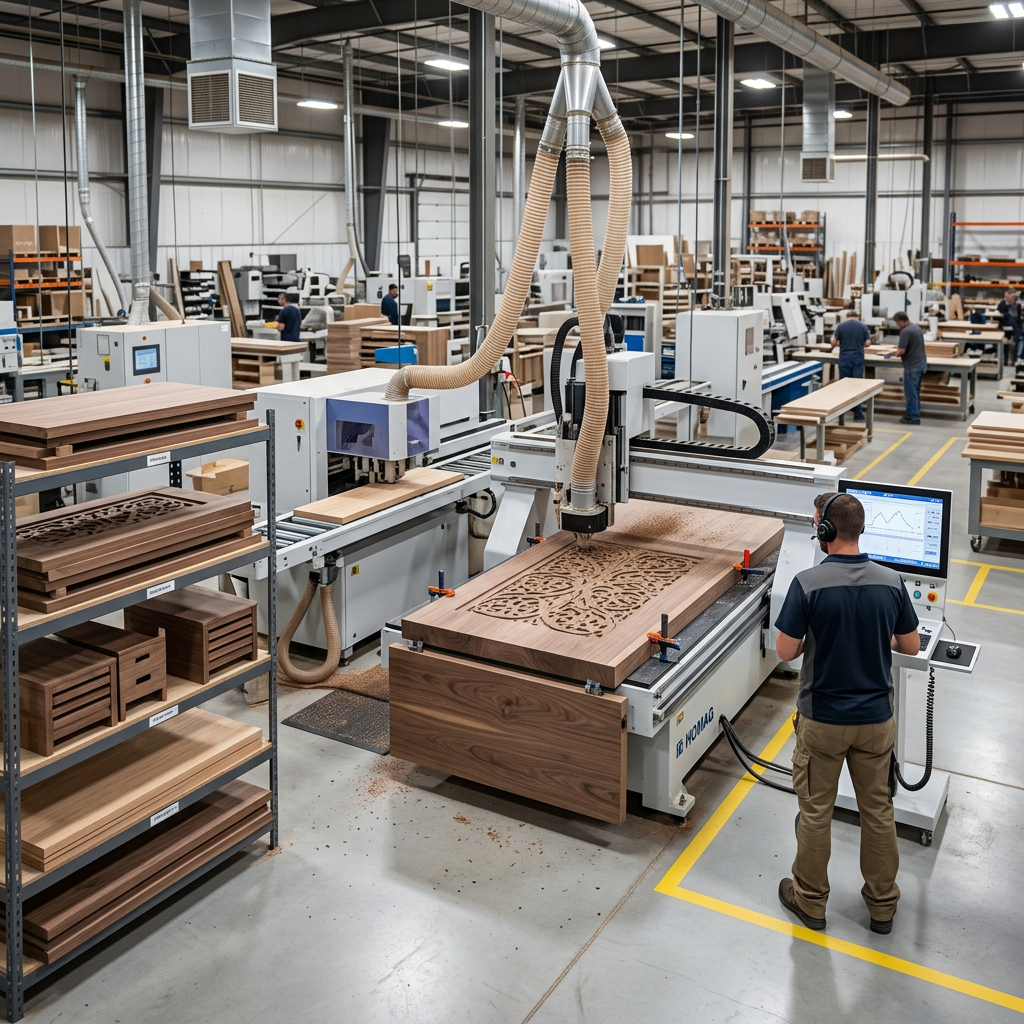
Base plate, column and mounting plate components are produced and finished before final assembly.
A restaurant table base is the structural interface between a tabletop and the floor. It determines whether a dining table sits flat, whether a bar-height table matches its seating, how easily one damaged component can be replaced, and how well a restaurant dining table set holds up under daily commercial use.
The short answer: specify a commercial table base through four variables — base structure, base material, finish and mounting configuration — and match all four to the tabletop material, the zone height and the real operating environment. A base chosen only on appearance, without checking how it mounts to the top and where it will stand, is the most common source of wobble, rework and early replacement in restaurant projects.
What a Restaurant Table Base Actually Does
A table base transfers the load of the tabletop and everything placed on it down to the floor. In a home, that is a simple task. In a restaurant, the same base is expected to cope with tables being pulled out for cleaning, guests leaning on an edge, chairs being pushed in, and staff moving furniture during reconfiguration or deep cleaning.
A commercial table base is therefore not one product but a small system of parts: a base plate or foot assembly that contacts the floor, a column or support structure that sets the height, and a mounting plate or bracket configuration that fixes the base to the underside of the tabletop. Each part has its own selection criteria, and each one interacts with the zone it will be used in.
Six specification failures that appear repeatedly in hospitality projects
- Top-to-base mismatch. A base geometry that does not correspond to the tabletop's size and overhang produces movement and instability, even when both parts are individually well made.
- Wrong height class for the zone. Dining height, counter height and bar height are different specifications. Mixing them up means stools and chairs do not line up with the tabletop.
- Finish selected for looks only. A finish that cannot handle regular wet cleaning, sanitising agents or outdoor exposure degrades before the structure does.
- Non-replaceable assemblies. When a base cannot be stripped down to individual components, a single worn or damaged part can force replacement of a complete table.
- Uncoordinated palettes. Table bases, tabletops, chairs and booth finishes sourced as separate decisions produce visible mismatch across zones.
- Planning without the floor plan. Base plate size and layout interact: adjacent tables need enough clearance for guests and staff, and this has to be checked before ordering.
Decision rule: specify the base from the operating environment inward — zone height, floor plan, cleaning routine and tabletop material first; appearance and finish last. This sequence prevents the most expensive corrections, which happen after bulk production.
Industry Background: Why Commercial Table Bases Are Specified Differently
Contract furniture refers to furniture supplied for commercial projects such as restaurants, hotels, cafés, bars, offices and other public spaces. It is often produced according to project specifications, quantity requirements, interior design concepts and commercial-use requirements — not selected from a standard retail catalogue.
That distinction changes how a table base is purchased. A residential table base is bought as a finished product for low-frequency household use. A commercial table base is specified as a project item: dimensions, base plate size, column size, height and mounting configuration are set against a floor plan, and the finish is coordinated with the rest of the interior palette.
Three practical trends are driving more detailed table base specifications in hospitality projects:
- Multi-height zones inside one venue. Many restaurants now combine standard dining tables, counter-height tables and bar-height tables in the same space. Each height class needs its own base configuration and its own seating specification.
- Fixed seating plus loose tables. Booth and banquette seating is commonly combined with loose tables and chairs so that operators can adapt capacity. Table bases must work with both the fixed seating line and the movable dining sets.
- Longer replacement planning. Operators increasingly treat furniture as a maintenance item rather than a one-off purchase, which makes replaceable components and repeat production capability part of the buying decision.
One caveat on category data: published restaurant furniture market forecasts vary widely between publishers because they use different market definitions and base years, so category-level figures are of limited use when specifying a table base. Specification should be driven by the project's own layout, duty level and environment.
Materials: What to Specify and Why
Commercial table base structures are offered in cast iron, steel, stainless steel, aluminum and powder-coated metal, with custom metal options available for project-specific designs. The right choice depends on how much stability the zone needs, how much weight the table will carry, whether the environment is dry, wet or outdoor-adjacent, and how the table is moved during service.
Cast iron, steel and stainless steel
Cast iron is normally used for the base plate element where a heavier foot helps a table stay in place under normal restaurant movement. Steel is used for columns and support structures where shape, height and mounting geometry need to follow a project drawing. Stainless steel is specified where moisture, frequent wet cleaning or a more exposed environment makes corrosion resistance a priority.
These materials are not interchangeable in every application. Weight affects handling and floor protection; a heavier base is stable but harder for staff to move during cleaning. Before finalising, confirm who will move the tables, how often, and whether the floor surface needs protection.
Aluminum for lighter and outdoor-adjacent applications
Aluminum appears in lighter structures and in outdoor dining furniture, where outdoor-suitable frame structures such as aluminum and stainless steel are used together with outdoor-rated tabletops. Outdoor restaurant furniture is selected for moisture, sunlight and frequent cleaning exposure, so an aluminum structure is typically specified together with an outdoor-rated tabletop rather than as a direct substitute for an indoor cast iron base.
The tabletop side of the mounting decision
A table base is only half of the assembly. Commercial restaurant tables can be supplied with tabletops in solid wood, veneer, HPL, laminate, marble, stone and custom surfaces, and base structures can be metal, wooden or custom support structures. The tabletop material determines how the mounting plate must be configured and what maintenance routine the finished table will need.
- Solid wood and veneer tops carry a wood grain and stain direction that should be coordinated with the rest of the joinery in the space.
- HPL and laminate tops are specified where an easy-maintenance, high-frequency surface is the priority; the mounting configuration must match the panel build-up.
- Marble, stone and sintered stone tops are heavier and typically need the base plate and column configuration sized to the actual top dimensions rather than selected from a standard pairing.
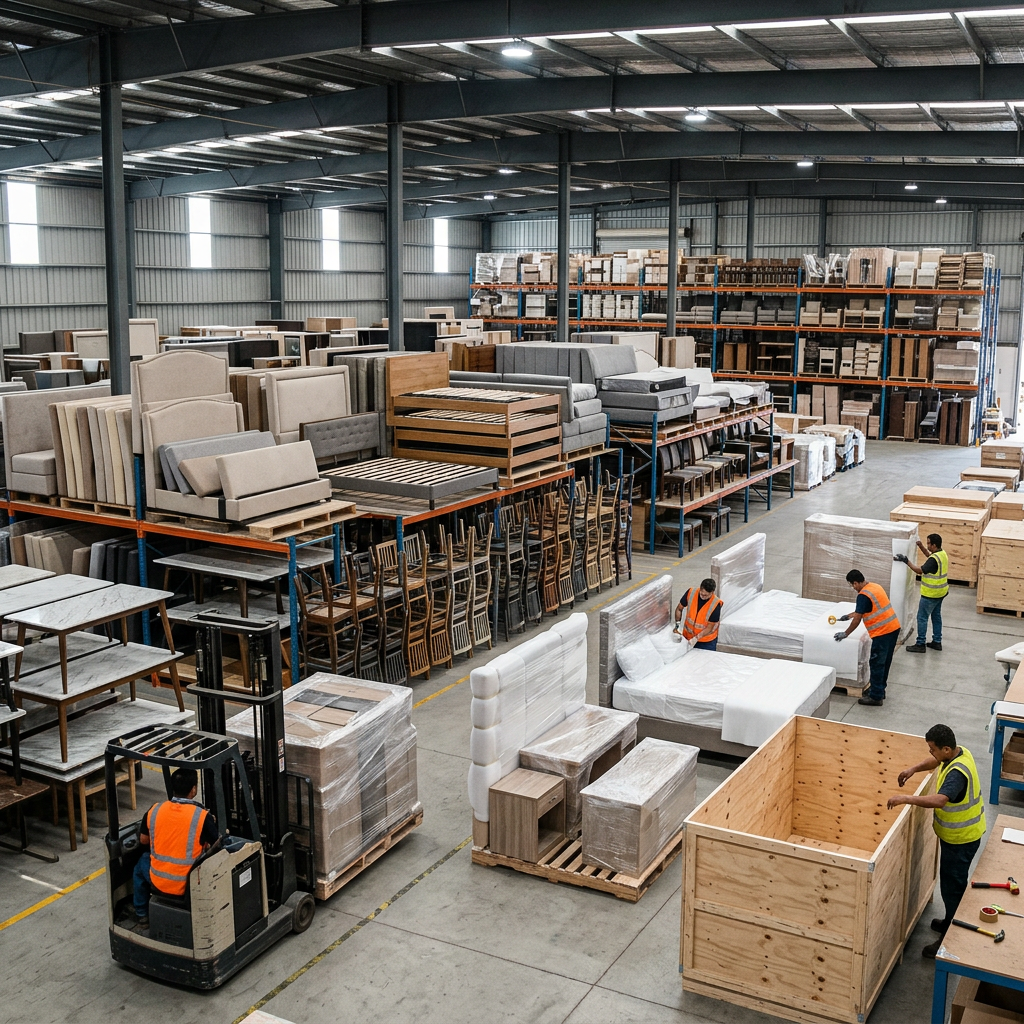
Components are held as project records so that later replacements match the approved specification.
Finishes: Durability, Palette Consistency and Maintenance
Table base finishes are quoted as powder coating, brushed, polished, plated and custom colour finishes. Each has a different maintenance profile: a textured powder coating hides fingerprints and minor marks well in busy service areas, while a polished or plated finish shows marks more readily and needs a more consistent cleaning routine.
Finish selection should not be made in isolation. Brand colours and finishes can be matched by coordinating custom colours, wood stains, metal finishes and upholstery with the project palette, and these can be approved before bulk production. Approving wood, metal and upholstery finish samples together is what keeps a restaurant project visually consistent — and it also reduces later replacement mismatches, because the approved standard remains the reference for every subsequent order.
Practical note: approve the metal base finish, the tabletop finish and the seating upholstery as one set. Replacing one of the three later, after the other two have been signed off, is a common cause of palette drift across a rollout.
Mounting Options and Height Planning
Mounting is the part of table base selection that receives the least attention and causes the most rework. Commercial table bases are supplied with mounting compatible with wood, HPL, stone, marble, sintered stone and other tabletops, and the base plate size, column size and mounting configuration can be customised according to the tabletop dimensions.
Structure options cover round, square, cross, disc, pedestal, double-pedestal and bar-height bases, plus custom metal table bases. Height options cover dining height, counter height, bar height and custom heights. Customisation covers height, base shape, column design, finish, colour and mounting plate configuration, with OEM/ODM, project-based customisation and bulk production available.
Before confirming an order, four mounting questions should be answered in writing:
- What is the dining surface height required in this zone — dining, counter or bar?
- What is the tabletop material and build-up, and does the mounting plate configuration suit it?
- What is the tabletop's shape and size, and does the base plate geometry correspond to it?
- How much clearance is available between adjacent tables for guests and service staff?
MingMeng Furniture (Guangzhou Mingmeng Furniture Co., Ltd.) is a commercial and hospitality furniture manufacturer established in 2015, operating a 15,000㎡ facility with more than 200 employees. Its product scope includes restaurant chairs, commercial dining tables, booth and banquette seating, bar stools, bar counters, hospitality sofas, hotel guest-room and lobby furniture, outdoor dining furniture, canteen furniture and commercial table bases. For project orders, the company provides CAD drawings, 3D renderings, floor-plan adjustment, booth seating layout, banquette layout and space planning, and can adjust furniture sizes and layouts to fit the client's floor plan and space constraints.
Durability Expectations for Commercial Table Bases
Commercial restaurant furniture can be designed for frequent daily use, but durability depends on the frame structure, joints, materials, finish, upholstery, maintenance and the duty level specified for the project. For high-traffic venues, products should be selected on commercial-use requirements rather than appearance alone.
For table bases specifically, four factors carry most of the durability outcome:
- Base structure and joint quality. The connection between plate, column and mounting plate is where movement starts.
- Finish durability. Finishes must be selected for the actual cleaning frequency and cleaning agents used in the venue.
- Replaceable components. Selecting commercial-grade furniture with replaceable components and maintenance support supports ongoing supply of booths and tables.
- Maintenance routine. Simplified maintenance through standardised materials, finishes and spare-part support keeps a table set serviceable for longer.
On testing, a distinction matters. Commercial seating products are tested according to EN 16139 requirements, which applies to chairs and bar stools. Table bases are specified through base structure, material, mounting configuration and the duty level confirmed for the project. Where a project defines a required performance level for a table, that requirement should be stated in the specification and supported by applicable test or quality-control evidence for the specific product before bulk production.
Quality control for commercial restaurant and hospitality furniture covers incoming materials, cutting, welding, finishing, assembly and final inspection, with critical items inspected before packing and a final pre-shipment inspection. Non-conformities identified during quality inspection are closed before export packing and shipment coordination are carried out.
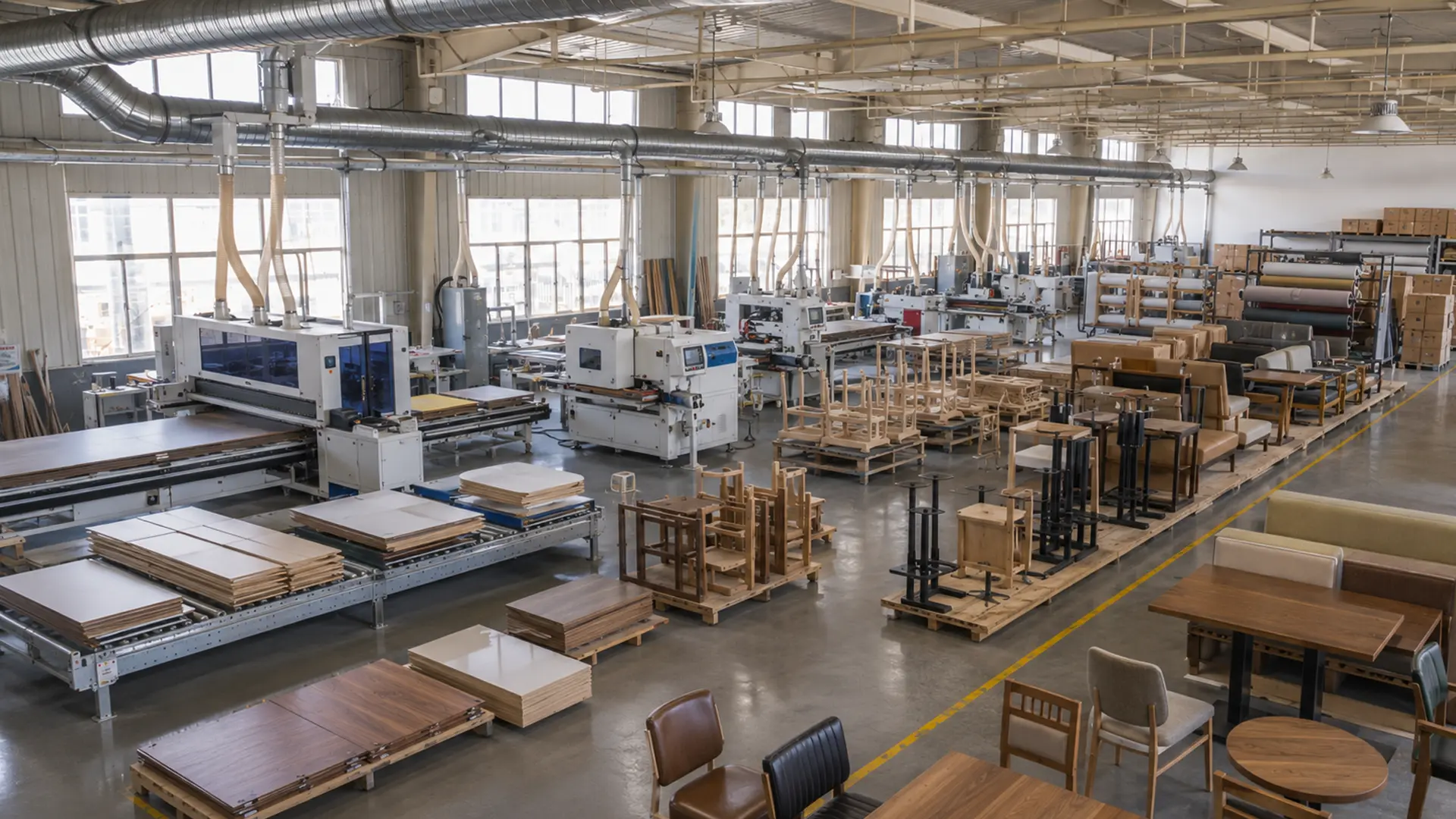
Metalworking, finishing, assembly and inspection are handled in one production flow, which keeps base and tabletop tolerances aligned.
Step-by-Step: Specifying a Table Base for a Restaurant Project
The following sequence is the order used for project-based table base and table supply. Following it in sequence avoids the late changes that cause rework, extra cost and delays.
- Start from the floor plan. Provide the floor plan or dimensions, the required furniture types and quantities, drawings or reference images, preferred materials and finishes, destination and target schedule. Basic space planning suggestions are offered based on the client's floor plan, seating targets and project requirements.
- Split the plan into zones and height classes. Mark which areas are dining height, counter height and bar height, and note where fixed booth or banquette seating sits alongside loose tables.
- Select the base structure for each zone. Choose from round, square, cross, disc, pedestal, double-pedestal, bar-height or custom metal bases, matched to the tabletop shapes and sizes in that zone.
- Select base material and finish for the environment. Confirm whether the zone is dry indoor, wet-cleaned, or outdoor-adjacent, then select base material and finish accordingly.
- Confirm the mounting configuration and dimensions. Confirm dimensions, materials, colours, finishes and customisation requirements; the base plate size, column size and mounting plate configuration are set against the confirmed tabletop dimensions.
- Approve samples and finish samples. Review drawings or 3D proposals and approve material and finish samples where required. Bulk production does not start until final specifications and samples are approved.
- Confirm commercial terms and produce. Confirm the order, payment terms and production schedule, then begin bulk production after final approval.
- Inspect, pack and plan the follow-on supply. Complete quality control, close non-conformities, complete export packing, loading and shipment coordination, and record the approved specification for future repeat orders and replacement parts.
Export packing for commercial furniture follows a defined procedure: clean and protect finished surfaces; add foam, corner and edge protection and component separation where needed; use export cartons, reinforced packaging or wooden crates according to product fragility; protect hardware and label packages clearly; and check package dimensions and quantities against the packing list before loading.
Use Cases: Where Table Base Choices Change
Cafés and quick-service areas. Small round or square tables are usually specified with compact base structures and easy-clean HPL or laminate tops. The priority is fit within tight footprints and quick cleaning between covers.
Full-service restaurant dining rooms. Larger tables with wood, veneer or stone tops are typically paired with heavier base structures so that the table stays in place during service. Base plate geometry has to be checked against the tabletop size and the clearance between adjacent tables.
Booth and banquette zones. Where booth or banquette seating is built along a wall, the loose tables in front of it still need a base that matches the fixed seat height and the tabletop size. Booth and banquette layouts are designed with consideration for seating capacity and customer traffic flow, and the table base specification has to follow that layout.
Bar-height and counter-height zones. These areas use bar-height bases together with commercial bar stools. Seat height, footrest position and stability must correspond to the counter or table height, so base height and seating height should be confirmed together rather than separately.
Outdoor terraces and patios. Outdoor dining furniture is specified with outdoor-suitable frames, finishes, tabletops and upholstery for moisture, sunlight and frequent cleaning. Indoor base specifications should not be carried straight onto a terrace without checking the exposure conditions.
Canteens, food courts and institutional dining. These projects favour customisable dimensions, easy-clean surfaces, reinforced commercial frames and coordinated table-and-seat combinations, with layouts set from the floor plan and seating capacity.
Hotel dining and public areas. Hotel projects typically combine dining tables, lobby tables and guest-room furniture, so table base finishes are matched across public areas and guest rooms as part of one package.
Comparison Tables
Table 1 — Commercial table base structure options
| Base structure | Typical application area | Mounting compatibility | Material options | Finish options |
|---|---|---|---|---|
| Round base | Restaurant dining tables, café tables | Wood, HPL, stone, marble, sintered stone | Cast iron, steel, stainless steel, custom metal | Powder coating, brushed, polished, plated, custom colour |
| Square base | Dining tables and café tables in regular layouts | Wood, HPL, stone, marble, sintered stone | Cast iron, steel, stainless steel, custom metal | Powder coating, brushed, polished, plated, custom colour |
| Cross base | Project tables where a slimmer floor footprint is preferred | Wood, HPL, stone, marble, sintered stone | Steel, stainless steel, cast iron, custom metal | Powder coating, brushed, polished, custom colour |
| Disc base | Restaurant and hotel dining tables | Wood, HPL, stone, marble, sintered stone | Cast iron, steel, stainless steel, custom metal | Powder coating, brushed, polished, plated, custom colour |
| Pedestal base | Single-column dining tables | Wood, HPL, stone, marble, sintered stone | Steel, stainless steel, cast iron, custom metal | Powder coating, brushed, polished, plated, custom colour |
| Double-pedestal base | Larger and communal dining tables | Wood, HPL, stone, marble, sintered stone | Steel, stainless steel, cast iron, custom metal | Powder coating, brushed, polished, custom colour |
| Bar-height base | Bar tables and high tables in bars, cafés and lounges | Wood, HPL, stone, marble, sintered stone | Cast iron, steel, stainless steel, custom metal | Powder coating, brushed, polished, plated, custom colour |
| Custom metal table base | Project-specific dining layouts and non-standard sizes | Set against confirmed tabletop dimensions and material | Cad-iron, steel, stainless steel, aluminum, custom metal | Powder coating, brushed, polished, plated, custom colour |
Height options across all structures: dining height, counter height, bar height and custom heights. Base plate size, column size and mounting configuration are customisable according to tabletop dimensions.
Table 2 — Commercial-grade project furniture compared with standard ready-made or residential-grade furniture
| Comparison point | Commercial-grade project furniture | Standard ready-made / residential-grade furniture |
|---|---|---|
| Construction | Commercial-grade construction specified for the project | Standard construction intended for lower-frequency use |
| Customisation | Project-based customisation and OEM/ODM production capability; dimensions, materials and finishes available | Limited to available stock dimensions, materials and finishes |
| Planning support | Integrated CAD and 3D planning, full furniture package coordination | No project planning or drawing coordination |
| Project scope | Supports 50-500+ unit hospitality projects; typical production cycles of 30-60 days depending on project scope | Not structured for multi-unit project rollouts |
| Quality control | Pre-shipment quality inspection included for every order | Not normally supplied with project-level inspection records |
| Cost logic | Lower lifecycle costs through durable commercial-grade structures, reducing frequent replacement | Lower initial unit price, with higher likelihood of early replacement |
| Maintenance | Simplified maintenance through standardised materials, finishes and spare-part support | Component availability and finish matching not guaranteed after purchase |
| Best suited to | Hotels, restaurants, cafés, bars, lounges, resorts and other high-traffic commercial hospitality spaces | Low-frequency or non-commercial environments |
Project scope and production cycle figures reflect current company-stated capability and are confirmed per project after specification and order plan approval.
Frequently Asked Questions
1. What compliance documents can MingMeng provide for commercial table bases and tables?
Available compliance documents and product test reports are provided according to the product or model and the destination-market requirements, and only current documents that match the actual product scope should be used for project compliance. MingMeng has obtained multiple product and quality certifications, including CE, TÜV, RoHS and Certification of Conformity, along with relevant product safety compliance certifications, and has developed 10+ national patented designs. Where a project specifies fire-performance requirements for upholstered items such as booth seating, fire-retardant foam and fabrics meeting standards such as CA117, BS5852 and EN1021 can be supplied. Because compliance scope is product- and market-specific, confirm the exact documentation required for your project before order confirmation.
2. What materials, finishes and mounting configurations are available for a restaurant table base?
Base structures can be round, square, cross, disc, pedestal, double-pedestal, bar-height or fully custom metal bases. Material options include cast iron, steel, stainless steel, aluminum and powder-coated metal, with custom metal options available. Finishes include powder coating, brushed, polished, plated and custom colour finishes. Mounting is compatible with wood, HPL, stone, marble, sintered stone and other tabletops, and the base plate size, column size and mounting configuration can be customised according to the tabletop dimensions. Height options cover dining height, counter height, bar height and custom heights, and production can run as OEM/ODM, project-based customisation or bulk production.
3. How is pricing calculated for custom table bases and restaurant furniture sets?
Custom restaurant furniture pricing is calculated from the confirmed specification. Key cost drivers include materials, dimensions, quantity, construction, finish and upholstery complexity, packaging and the agreed delivery term. Quotations for ongoing supply are usually issued on EXW or FOB terms, with freight depending on the shipping term and destination. Pricing may be discussed based on order quantity, purchase frequency and long-term cooperation, and quotations can be prepared in the agreed trading currency. MOQ is not a single fixed number: it depends on the product type, customisation level, material setup and order mix, so send the required models, quantities and specifications for project-specific confirmation.
4. Can we approve a sample before bulk production starts?
Yes. Sample approval is part of the ordering process for custom restaurant furniture and supports repeat orders and long-term supply. For project orders, sample confirmation and relevant load, stability or finish testing are recommended before bulk production where a project has specific durability requirements. The workflow is: project inquiry and requirement collection, design and specification confirmation, sample or material and finish approval, order confirmation, bulk production, quality inspection, then export packing and shipment coordination. Bulk production does not start until final specifications and samples are approved.
5. What is the production lead time, and how do you support repeat orders and replacement parts?
Production lead time depends on quantity, customisation complexity, material availability, sample approval and factory capacity, and a project-specific schedule is provided after the specification and order plan are confirmed. Urgent schedules can be evaluated after checking materials, production capacity and the required delivery date. For ongoing supply, annual contract orders and repeat production orders, warranty and after-sales responsibilities are defined in the order terms agreed for each period, and repair guidance, replacement parts or coordination support are provided depending on the issue and the contract terms. Replacement parts can be arranged where the required component is identifiable and available, which supports long-term maintenance of a restaurant table set. To start a project, send your floor plan or dimensions, required furniture types and quantities, drawings or reference images, preferred materials and finishes, destination and target schedule, and a quotation, design proposal and production plan can be prepared in return.
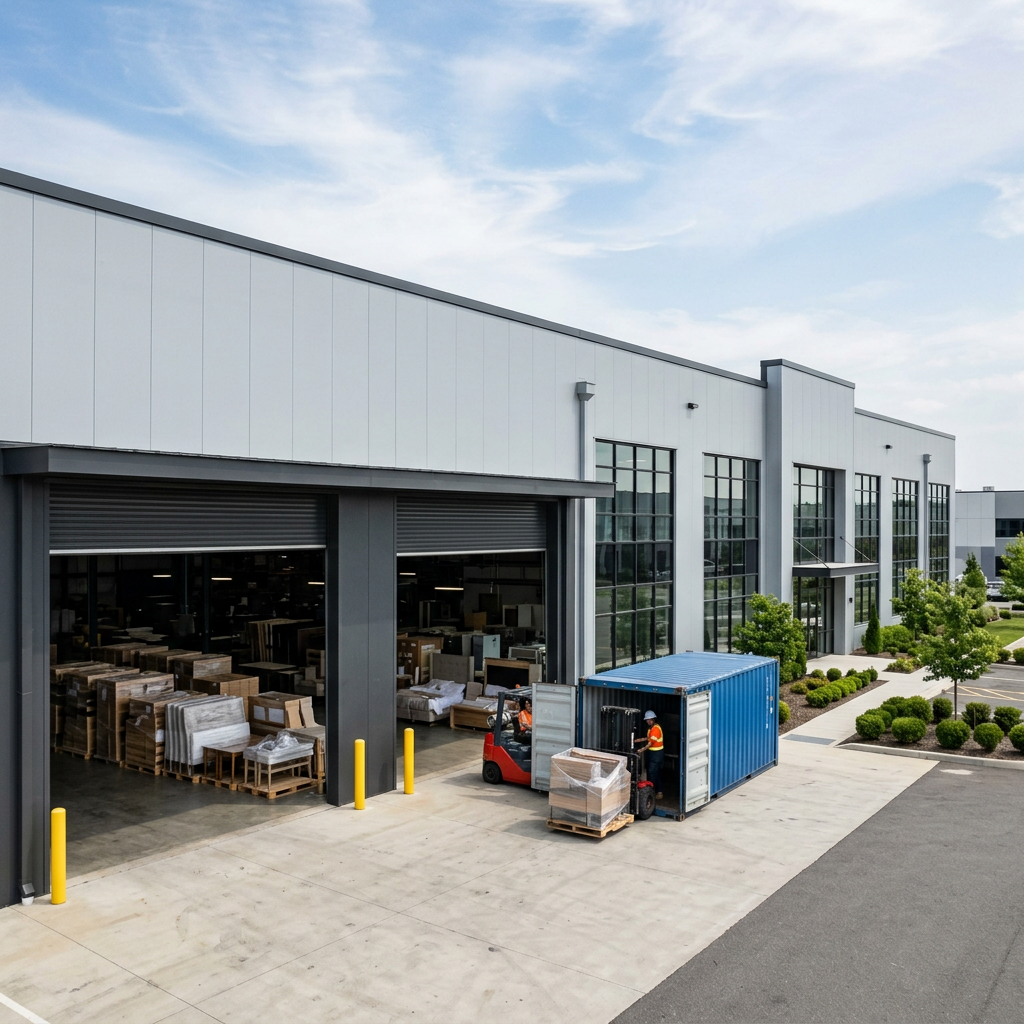
MingMeng Furniture supports project-based table base, tabletop and seating supply from one production facility in Guangzhou, China.
Conclusion
Table bases are the least visible and most structural purchase in a restaurant furniture package. Get the specification right and the tables stay flat, the seating heights line up, the finishes stay consistent across zones, and individual components can be replaced instead of whole tables. Get it wrong and the problems appear in service, not on the drawing.
A workable specification therefore covers six items together: base structure, base material, finish, mounting configuration, height class and the duty level of the zone. Confirm them against the floor plan, approve the metal, tabletop and upholstery finishes as one palette, approve a sample where the project allows, and keep the approved specification on file so that repeat orders and replacement parts match the original installation.
Next step: send your floor plan, table dimensions and preferred materials to MingMeng Furniture for a table base specification check and quotation. Material and finish samples can be arranged before bulk production.
Website: www.mingmeng07.com | Email: eiko@mingmeng07.com | Tel: +86 136-3245-6645 | WhatsApp: +86 158-1240-0982
Download the 2026 restaurant furniture catalogue: Mingmeng Restaurant Furniture 2026 New
Have Questions or Need More Details?
Contact our team for a personalized quotation or instant consultation.
Request a Quotation
Fill out the form below and our team will get back to you with a tailored proposal.
WhatsApp Direct Chat
Prefer to chat in real-time? Message us on WhatsApp for instant assistance & quick answers.
- Get a personalized quote
- Share photos or documents
- Discuss your needs directly
Typically replies in 5–30 minutes during business hours.