
Commercial Bar Stool vs Dining Chair: Seating Head-to-Head
A commercial bar stool and a restaurant dining chair are not interchangeable line items in a restaurant furniture package. The practical decision is driven by where the seat sits, how often it is used, how it is cleaned, and how the item is quoted and supplied alongside tables, booths, bar counters and other hospitality furniture. Bar stools are intended for counter-height areas in restaurants. Dining chairs are loose seating for dining zones. Both categories can be specified as commercial-grade seating and both can be customized, but they solve different layout and operational problems.
MingMeng Furniture, formally Guangzhou Mingmeng Furniture Co., Ltd., is a Guangzhou-based manufacturer of custom restaurant, café, hotel, bar and contract furniture for commercial projects. The company was founded in 2015 and operates a 15,000㎡ furniture manufacturing facility with more than 200 workers. Its published scope covers restaurant chairs, dining tables, booth and banquette seating, bar stools and bar tables, outdoor tables and chairs, canteen furniture, hotel public area and guestroom furniture, and related hospitality furniture. This article compares the two seating categories as a head-to-head procurement decision for restaurant and hospitality projects, using verified product-category facts and the buyer questions that usually decide the order.
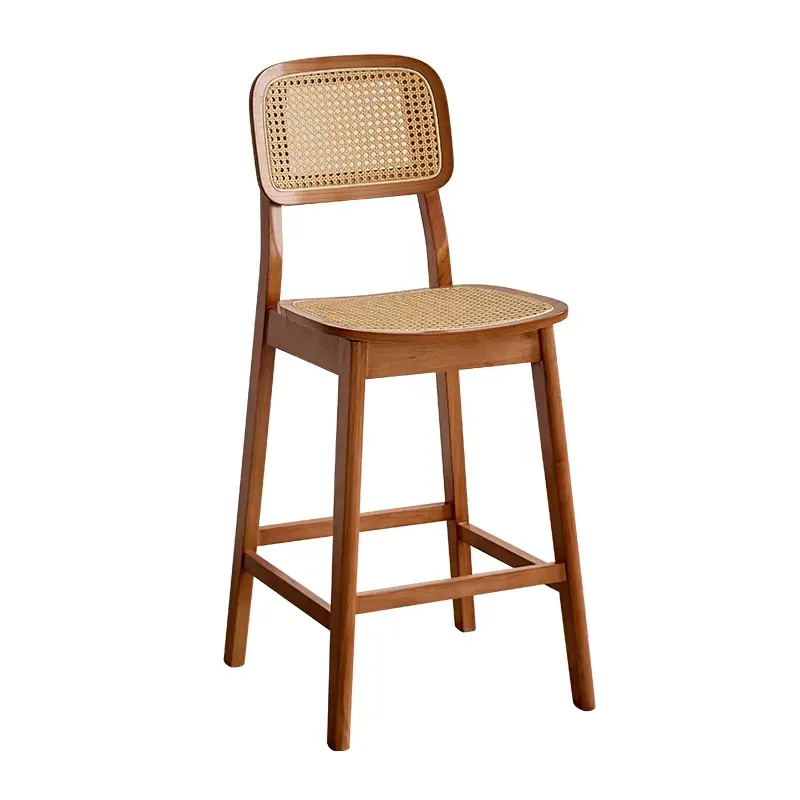
Problem Definition: The Real Choice Is Zone and Use, Not Category Preference
Restaurant seating decisions often fail when the buyer compares bar stools and dining chairs as if they were two versions of the same chair. In practice, they belong to different seating zones. Bar stools are suitable for counter-height areas in restaurants. Loose dining chairs provide flexibility for restaurant seating layouts. A bar stool placed at a standard dining table may create a height mismatch. A dining chair placed at a bar counter may leave the guest too low for the counter surface. The category choice should follow the floor plan, the service model, and the intended guest posture.
Restaurant furniture selection parameters include floor plan, seating capacity, aisle clearance, fixed versus movable seating, table size, seat dimensions, upholstery durability, cleaning and maintenance, privacy requirements, layout flexibility, commercial-use frequency, and project budget. These parameters matter more than a generic preference for one chair type. For high-traffic commercial restaurant spaces, the priority is durable structures, easy-to-clean materials, and stable construction. The head-to-head comparison should therefore ask four questions: Where will the seat be used? What commercial duty must it survive? What can be customized? And how will it be quoted, sampled and supplied with the rest of the restaurant furniture set?
Industry Background: Restaurant Seating Is Specified as a Mixed System
Commercial restaurant furniture is usually purchased as a project package rather than as a single chair category. A restaurant may need bar stools at a counter, dining chairs in the main dining room, booth or banquette seating along walls, tables and table bases, bar counters and back-bar units, and lounge or waiting seating. The buying goal is to optimize seating capacity, space utilization, customer comfort, and layout flexibility while selecting suitable seating solutions for different dining zones. This is why a bar stool vs dining chair comparison should not end with a single winner. The better question is which seat belongs in each zone and how the package is coordinated.
For most commercial restaurant projects, a combined seating solution is used: custom booth or banquette seating along walls and fixed zones, with loose dining chairs in central areas. Bar stools are suitable for counter-height areas. Dining chairs are recommended for central dining areas, flexible table combinations, event layouts, and spaces requiring frequent rearrangement or easier cleaning access. This mixed logic is more useful than treating one chair type as universally superior. The supplier should be able to coordinate the seating with tables, table bases, booths and bar furniture so that dimensions, finishes and delivery schedules stay aligned.
Buyers also need to separate unit price from total project value. For commercial-grade restaurant furniture compared with lower-priced standard furniture, the pricing rationale can include commercial-grade materials, quality control, export-standard packing, and after-sales service. The core difference is total project value, including commercial-use materials and structures, customization, production and quality control, export packing, and after-sales support, rather than lower unit price alone. This does not mean every project needs the same specification. Standard low-cost products can be considered when specifications are simple and price is the dominant factor. A project-based commercial furniture supplier is more relevant when durability, customization, consistency, and delivery coordination matter.
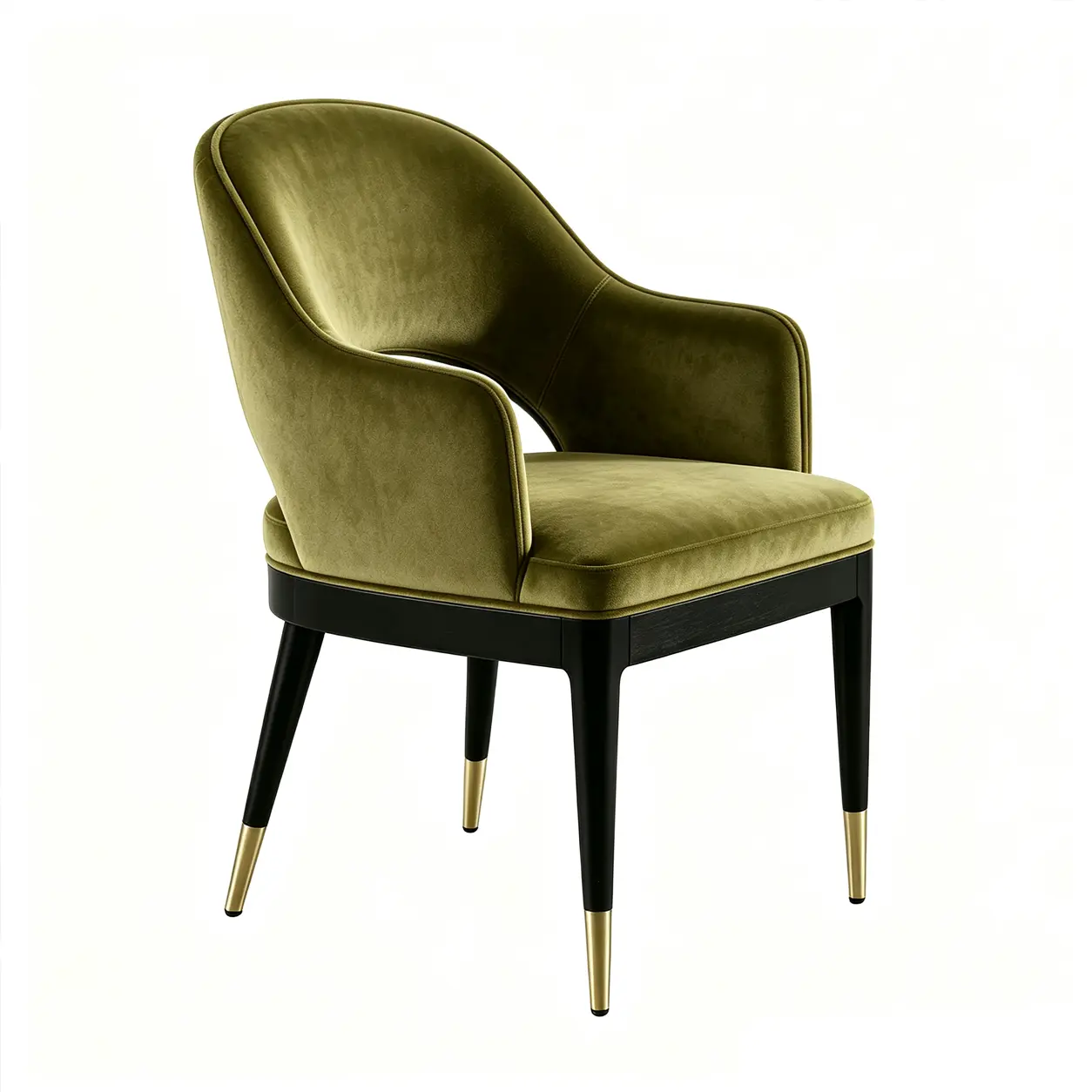
Commercial Bar Stool vs Dining Chair: The Head-to-Head
Application Fit: The Zone Decides First
The Commercial Bar Stool / Restaurant Bar Stool / Hospitality Bar Chair category is designed for restaurants, bars, cafés, hotels, lounges and hospitality projects. It is intended for commercial dining spaces and high-frequency hospitality environments. Its most direct application is counter-height seating: bar counters, high tables and other counter-height areas where a taller seat is required. Product types include upholstered bar stool, counter stool, high bar chair, metal frame bar stool and wooden bar stool. If the floor plan shows a bar counter, a high communal table or a counter-height service area, the bar stool is the natural seating category to specify.
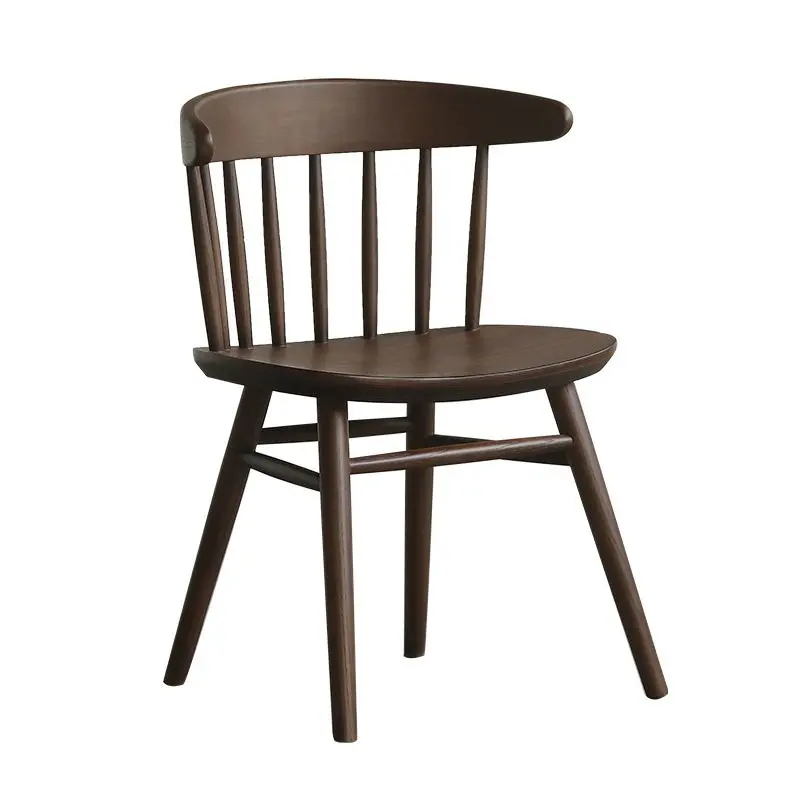
The Restaurant Chair / Commercial Dining Chair / Hospitality Chair category is designed for high-frequency use in restaurants, hotels, cafés and hospitality projects. It is also supplied as a dining chair, hotel lobby chair or banquet chair. Typical application scenarios include high-frequency commercial dining spaces, banquet halls, and hotel dining areas. Its role is loose dining seating at standard dining tables and in flexible layouts. If the floor plan shows standard dining tables, banquette-free central areas, café seating, or a layout that needs to be rearranged for events, the dining chair is the more suitable category.
This is also where booth seating enters the decision. Booth seating is suitable for space optimization and fixed seating zones in restaurant projects. A combined solution often works best: booth or banquette seating along walls and fixed zones, with loose dining chairs in central areas, and bar stools at counter-height positions. The three seating types are not competing for the same square metre. They divide the floor into fixed, flexible and counter-height zones.
Durability and Testing: Commercial Duty Must Be Specified
Both categories can be described as commercial-grade, but the word commercial only has value when it is tied to a specification. For the product categories described here, both Commercial Bar Stool / Restaurant Bar Stool / Hospitality Bar Chair and Restaurant Chair / Commercial Dining Chair / Hospitality Chair are stated as tested according to EN 16139 requirements. The exact test evidence, model reference and destination-market compliance should still be confirmed for the specific item and project before order approval. A category label is not a substitute for model-level confirmation.
Durability depends on frame structure, joints, materials, finish, upholstery, maintenance and the duty level specified for the project. For high-traffic venues, the selection should be based on commercial-use requirements rather than appearance alone. MingMeng restaurant furniture quality control covers incoming materials, cutting, welding, finishing, assembly and final inspection. Common tests include static load, impact, stability, scratch resistance, abrasion resistance and fabric colorfastness. Critical items are inspected before packing, followed by a final pre-shipment inspection. These controls matter for both bar stools and dining chairs, but the failure points are not identical: a bar stool is height-led and structure-led, while a dining chair is layout-led and frame-led.
For upholstery, commercial-grade fabric, PU leather and genuine leather are available across both categories. High-density foam is used for comfort and shape retention. The specification should match cleaning frequency, stain exposure, abrasion expectations and the desired comfort level. In high-traffic dining areas, easy-to-clean materials and stable construction should take priority over delicate finishes. In premium dining rooms, the same commercial frame can be paired with a more refined upholstery and finish, provided the maintenance routine supports it.
Materials and Finishes: A Shared Palette With Different Structural Emphasis
The material palette overlaps. The bar stool can use a solid wood frame, a metal frame or customized structural options. The dining chair can use a solid wood frame, a metal frame or a plywood structure. Both use high-density foam, fabric, PU leather and genuine leather, and both can be customized in color, material, stitching and finish. This shared palette is useful for design consistency: a restaurant can use the same wood tone, metal finish and upholstery family across bar stools, dining chairs, booth seating and tables without making every item look identical.
The structural emphasis differs. A bar stool specification is organized around seat height and counter relationship. Its seat height can be customized according to bar counter and table height requirements. The dining chair specification is organized around seat height, width and overall dimensions, which can be customized according to project needs. Both can be upholstered in the seat and backrest. The dining chair also supports logo and structural design customization, which is useful for branded hospitality groups, while the bar stool customization list covers size, color, material, stitching, finish and structure.
Finish coordination should include the table and table base, not only the seat. Restaurant tables can use solid wood, veneer, HPL, laminate, marble, stone and custom surfaces. Table bases can be cast iron, steel, stainless steel or aluminum with powder-coated, brushed, polished, plated or custom color finishes. If bar stools and dining chairs are bought as separate items from separate suppliers, finish matching becomes a project risk. A coordinated restaurant furniture package reduces that risk because the seating, tables and bases are reviewed together.
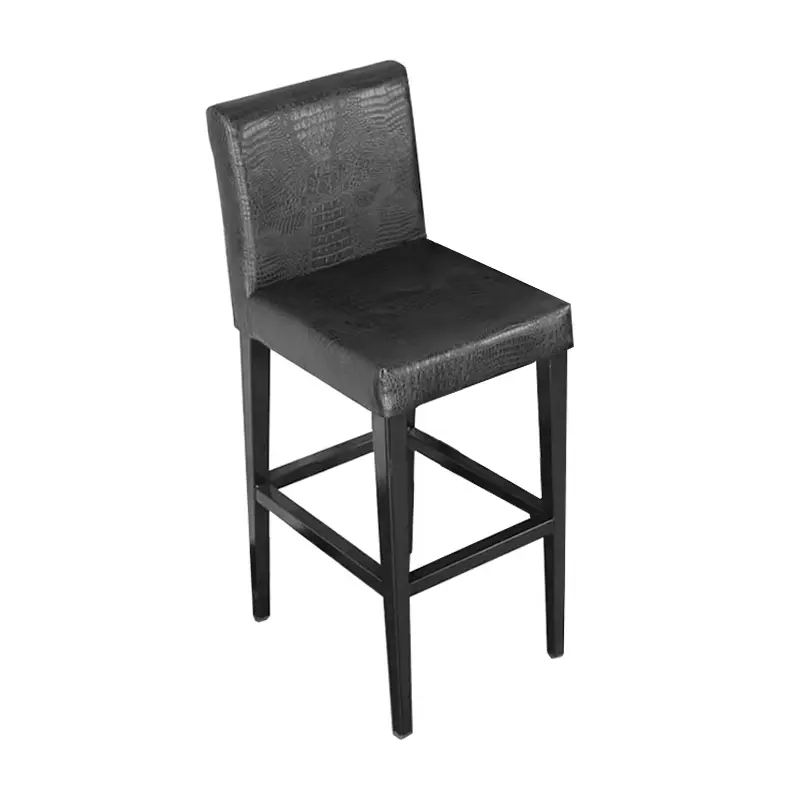
Customization: Bar Stools Are Height-Led; Dining Chairs Are Layout-Led
Customization is where the two categories diverge most clearly. A bar stool project usually begins with the counter or high table. The seat height must be confirmed against that surface before upholstery or finish is finalized. The bar stool can be customized in size, color, material, stitching, finish and structure. Frame options include solid wood and metal. Seat and backrest are upholstered, with fabric, PU leather or genuine leather. The product is developed according to project requirements, with CAD design, sample approval, bulk manufacturing, quality inspection and export delivery support.
A dining chair project usually begins with the dining layout. Seat height, width and overall dimensions are confirmed against the table, aisle and seating count. The chair can be customized in color, material, stitching, finish, logo and structural design. It can be supplied as a wooden restaurant chair or a metal frame restaurant chair, and as a dining chair, hotel lobby chair or banquet chair. For projects that need a consistent brand presence, the dining chair offers a larger visible surface for logo and structural detailing than a compact bar stool typically does.
Both categories can be supported with CAD drawings, 3D visualization, material and finish selection, sample development, bulk production, quality inspection and export packing. The customization workflow is: project inquiry and requirement collection, design and specification confirmation, sample or material and finish approval, order confirmation, bulk production, quality inspection, and export packing and shipment coordination. Bulk production should not start until drawings, dimensions, materials, finishes, quantities and approved samples are confirmed in writing. Late changes can cause rework, extra cost and delays.
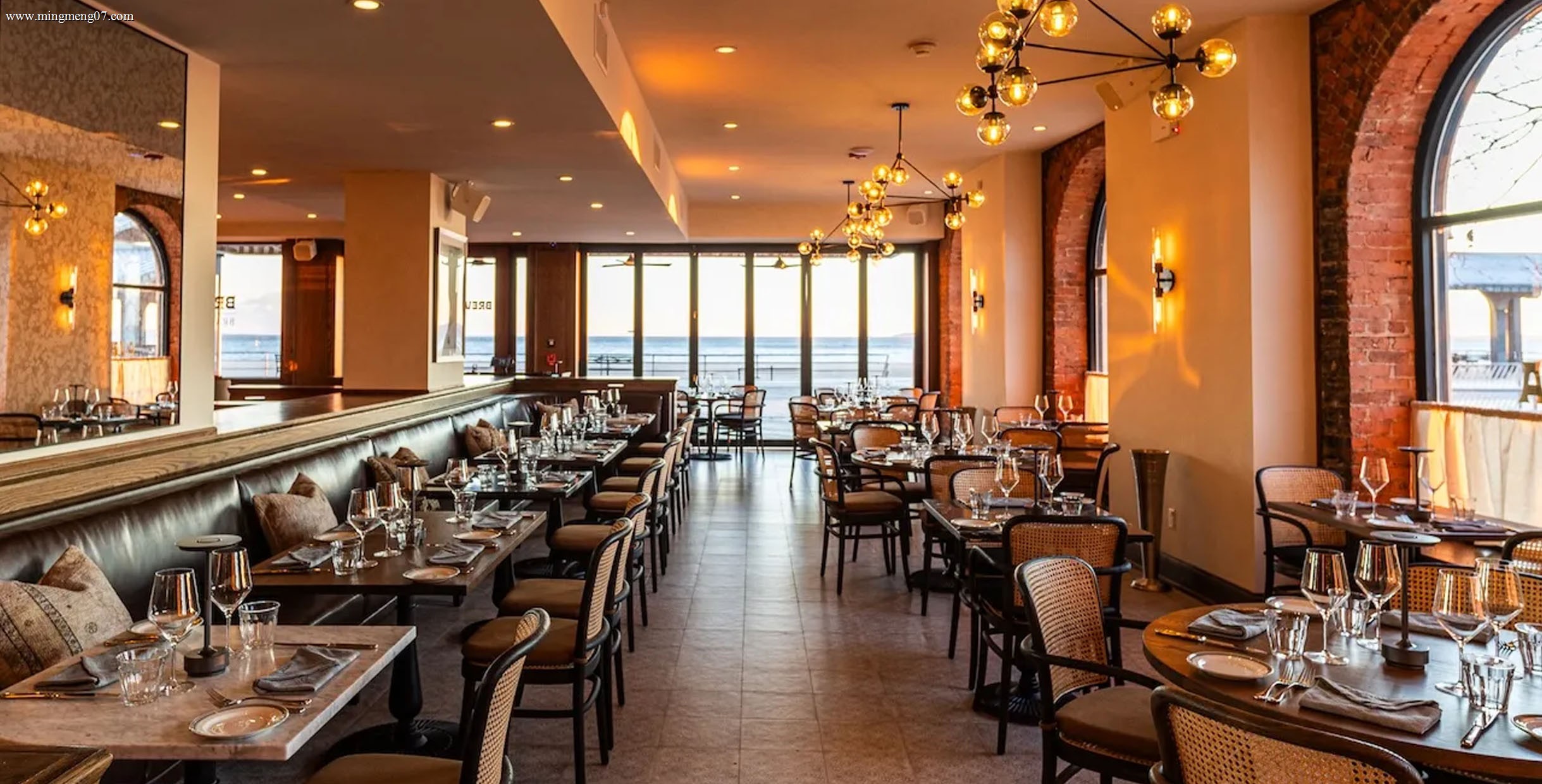
Quoting, MOQ and Full-Package Supply: Where the Comparison Is Decided
Price should not be compared as a single chair number without the specification behind it. Custom restaurant furniture pricing is calculated from the confirmed specification. Key cost drivers include materials, dimensions, quantity, construction, finish and upholstery complexity, packaging and the agreed delivery term. A taller bar stool with a more complex frame and a dining chair with a different upholstery build should each be quoted from their own confirmed specification. The quotation should also state the applicable Incoterm, because freight may be separate or included depending on the agreed delivery term. Payment terms depend on the order value and commercial agreement and should be confirmed in the quotation or contract.
MOQ needs the same discipline. MingMeng's website states a MOQ of 20 units for custom restaurant booth manufacturing. That figure should not be applied automatically to bar stools or dining chairs. For a mixed seating package, the MOQ for each item should be confirmed in the quotation. Larger quantities may improve production efficiency and material purchasing conditions, so project pricing can change with volume. This is normal in project furniture, but it should be documented rather than assumed.
Full-package supply changes the comparison. MingMeng can supply complete packages including tables, chairs, booths, bars and accessories to keep a consistent look across a restaurant. The production flow covers concept design, CAD and 3D visualization, sample development, bulk manufacturing, quality inspection and export packaging. The product range includes restaurant chairs, dining tables, booth and banquette seating, bar stools and bar tables, outdoor tables and chairs, canteen furniture, hotel public area furniture, guestroom furniture and KTV or bar sofas. For a restaurant project, this means the bar stools can be developed with the bar counter and high tables, while the dining chairs can be developed with the dining tables and banquette seating in the same material and finish family.
Procurement note: A bar stool is not automatically the stronger or weaker choice. The correct specification depends on the zone, the counter or table height, the cleaning routine, the required test evidence and the quotation scope. Confirm the exact model, materials, dimensions, MOQ and delivery term before comparing landed project cost.
Step-by-Step Breakdown: Specifying a Mixed Bar Stool and Dining Chair Package
- Map the seating zones. Mark counter-height areas, standard dining tables, fixed booth zones and flexible central areas on the floor plan. Assign bar stools to counter-height areas, dining chairs to loose dining zones, and booth seating to fixed or wall-side zones where space optimization and privacy are priorities.
- Confirm dimensions against the furniture and circulation. For bar stools, confirm seat height against the bar counter or high table. For dining chairs, confirm seat height, width and overall dimensions against the dining table, aisle clearance and seating count. Custom tables should be matched with seating dimensions and circulation requirements.
- Select frame and upholstery by duty. Choose solid wood, metal or plywood structure according to the design and use. Select fabric, PU leather or genuine leather according to cleaning frequency, stain exposure and comfort. High-traffic spaces should prioritize durable structures, easy-to-clean materials and stable construction.
- Confirm commercial test and compliance evidence for the exact model. Both product categories are stated as tested according to EN 16139 requirements, but the exact test evidence and destination-market compliance should be confirmed for the specified item. Fire-retardant materials and outdoor-rated materials can be considered where the project requires them, but the exact level should be confirmed per project regulations and operational needs.
- Approve material and finish samples. Review wood finish, metal finish, upholstery color, stitching and foam feel together. Approving samples separately can create a palette mismatch between bar stools, dining chairs, booth seating and tables.
- Approve the product sample and drawings. Confirm dimensions, structure, upholstery, logo placement if required, and the interface with tables or counters. The customization workflow includes sample or material and finish approval before order confirmation.
- Confirm quotation, MOQ, packing and delivery term. Review the quotation line by line: materials, dimensions, quantity, construction, finish and upholstery complexity, packaging and delivery term. Confirm the MOQ for each item, the Incoterm, payment terms and the production schedule. Complete quality inspection, export packing and shipment coordination before dispatch.
Use Cases: Where Each Seating Type Works Best
Bar and counter dining. Use commercial bar stools at bar counters, high communal tables and counter-height service areas. This is the clearest use case for the Hospitality Bar Chair category. The seat height should be set against the counter, and the frame and upholstery should match the expected cleaning and wear routine.
Main dining rooms. Use restaurant dining chairs at standard dining tables in the main dining room. Loose dining chairs provide flexibility for restaurant seating layouts and are suitable for central dining areas, event layouts and spaces requiring frequent rearrangement or easier cleaning access. This is the core use case for the Commercial Dining Chair category.
Cafés and flexible layouts. Café projects often need a mix of café tables and chairs, café bar furniture and compact seating. Dining chairs are the flexible base; bar stools can be added at window counters, high tables or counter-height service bars. A café furniture set can be specified as a coordinated package rather than as separate chair purchases.
Hotels and hospitality venues. Hotel dining areas, lounges and bars may use dining chairs, bar stools and lounge seating in the same project. The seating should share a finish and upholstery logic while matching the duty level of each zone. Hotel projects may also require lobby chairs, banquette seating and guestroom furniture, so full-package coordination becomes more valuable.
Multi-location and new restaurant openings. Chain or multi-location projects benefit from a repeatable specification. The bar stool height, dining chair dimensions, upholstery family and finish standard can be documented once and reused across sites. This supports consistent guest experience and simpler replacement planning. The product is supplied for importers and wholesale buyers, new restaurant openings, and multi-location projects, with export delivery.
Full restaurant furniture sets. A complete restaurant furniture set may include bar stools, dining chairs, dining tables, table bases, booth sets, bar counters and accessories. The value of a single supply scope is coordination: dimensions, materials, finishes, packing and delivery can be reviewed together. This is especially relevant for restaurant chairs and tables sets, restaurant booth sets and cafe bar furniture packages where mismatched lead times or finishes can delay opening.
Comparison Table: Commercial Bar Stool vs Restaurant Dining Chair
| Comparison dimension | Commercial Bar Stool / Restaurant Bar Stool / Hospitality Bar Chair | Restaurant Chair / Commercial Dining Chair / Hospitality Chair |
|---|---|---|
| Primary application | Counter-height areas in restaurants, bars, cafés, hotels and hospitality projects | Loose dining seating in restaurants, hotels, cafés, banquet halls and commercial dining spaces |
| Height and dimensions | Seat height customizable according to bar counter and table height requirements | Seat height, width and overall dimensions customizable according to project needs |
| Frame options | Solid wood frame, metal frame or customized structural options | Solid wood frame, metal frame or plywood structure |
| Upholstery | Fabric, PU leather and genuine leather options; upholstered seat and backrest | Fabric, PU leather and genuine leather options; upholstered seat and backrest |
| Customization focus | Size, color, material, stitching, finish and structure; height-led specification | Color, material, stitching, finish, logo and structural design; layout-led specification |
| Testing standard stated for the category | Commercial seating tested according to EN 16139 requirements | Commercial seating products tested according to EN 16139 requirements |
| Typical procurement role | Counter and bar seating; coordinated with bar counters and high tables | Loose dining seating; coordinated with dining tables and banquette layouts |
| Quotation drivers | Materials, dimensions, quantity, construction, finish and upholstery complexity, packaging and delivery term | Materials, dimensions, quantity, construction, finish and upholstery complexity, packaging and delivery term |
| MOQ note | Confirm per item; the published 20-unit MOQ applies to custom restaurant booth manufacturing, not automatically to bar stools | Confirm per item; the published 20-unit MOQ applies to custom restaurant booth manufacturing, not automatically to dining chairs |
FAQ
Are commercial bar stools and restaurant dining chairs tested to the same seating standard?
For the product categories described here, both Commercial Bar Stool / Restaurant Bar Stool / Hospitality Bar Chair and Restaurant Chair / Commercial Dining Chair / Hospitality Chair are stated as tested according to EN 16139 requirements. The exact test evidence and destination-market compliance should still be confirmed for the specified model and project before order approval.
Can MingMeng customize bar stool height and dining chair dimensions for a restaurant layout?
Yes, within the stated product categories. Bar stool seat height can be customized according to bar counter and table height requirements. Dining chair seat height, width and overall dimensions can be customized according to project needs. CAD drawings and 3D visualization are available for project review and sample approval.
What drives the price difference between a commercial bar stool and a dining chair?
Pricing is determined by the confirmed specification, including materials, dimensions, quantity, construction, finish or upholstery complexity, packaging and delivery term. A taller or more complex bar stool and a dining chair should be quoted from their own confirmed specifications rather than from a single category price.
Can I approve a sample before bulk production?
Yes. The customization workflow includes design or specification confirmation, sample or material and finish approval, order confirmation, bulk production, quality inspection, and export packing and shipment coordination. Bulk production should not start until drawings, dimensions, materials, finishes, quantities and approved samples are confirmed in writing.
How are MOQ and production scheduling handled for a mixed bar stool and dining chair order?
MOQ and production scheduling are confirmed against the quotation and the confirmed specification for each item. MingMeng's website states a MOQ of 20 units for custom restaurant booth manufacturing; that figure should not be applied automatically to bar stools or dining chairs. For a mixed seating package, send the floor plan, item list, quantities and target schedule so the MOQ, sample and production plan can be confirmed together. Contact eiko@mingmeng07.com or WhatsApp +86 158-1240-0982 to request a sample and quotation.
Next Step: Request a Sample or Project Quotation
A practical next step is to send the floor plan, seating schedule, preferred materials and finishes, target quantities and opening date. MingMeng can review the mix of bar stools, dining chairs, tables, booth seating and bar furniture, then confirm the sample route, quotation, MOQ and production plan. The company's restaurant furniture catalogue is available for download at MingMeng Restaurant Furniture 2026 catalogue. The company website is www.mingmeng07.com.
Conclusion: Specify by Zone, Then Confirm the Commercial Details
The commercial bar stool vs dining chair decision is not a contest for a single winner. A bar stool is the correct category for counter-height seating in restaurants, bars, cafés and hotels. A dining chair is the correct category for loose dining seating in main dining rooms, cafés, banquet halls and flexible layouts. Booth seating remains the fixed-zone option where space optimization, privacy and coordinated interior design are priorities. Most restaurant projects need a combination, not one category alone.
The procurement work begins after the zone decision. Confirm seat dimensions against the counter or table. Select frame and upholstery by cleaning routine and wear. Confirm the exact model's test evidence and compliance. Approve material, finish and product samples in writing. Confirm quotation, MOQ, packing and delivery term. When bar stools, dining chairs, tables, booth seating and bar furniture are coordinated within one supply scope, the project has a better chance of keeping dimensions, finishes and delivery schedules aligned. MingMeng Furniture supports that coordination from CAD and 3D review through sample approval, bulk manufacturing, quality inspection and export packing.
Have Questions or Need More Details?
Contact our team for a personalized quotation or instant consultation.
Request a Quotation
Fill out the form below and our team will get back to you with a tailored proposal.
WhatsApp Direct Chat
Prefer to chat in real-time? Message us on WhatsApp for instant assistance & quick answers.
- Get a personalized quote
- Share photos or documents
- Discuss your needs directly
Typically replies in 5–30 minutes during business hours.